A field guide to the yard hazards every dog owner should know on sight — what's growing in your beds, what's coming up after a rain, and what to do if your dog gets to it first.
S
The Scoopie Team
Pet safety · Utah
May 23, 202610 min readCross-referenced with ASPCA APCC & AVMA
A dog spends more time at lawn level than you do — and notices things you'll never see.
A backyard is mostly safe. But a backyard isn't entirely safe — and the difference between those two things can be a single sago palm, one neighbor's foxglove, or a flush of wild mushrooms after spring rain. Many of the most dangerous plants for dogs are also the most popular in Utah landscaping. Here's what we keep an eye out for, and what we tell every customer to learn by sight.
Three things to know up front:
Symptoms can take hours to appear. If you saw your dog eat something, don't wait for symptoms — call your vet or poison control immediately.
"A little nibble" is rarely safe with the worst offenders. A single seed from a sago palm can kill a small dog.
This is not exhaustive. If you don't recognize a plant your dog has access to, look it up — and remove it if uncertain.
If your dog ate something
Call before symptoms start.
Your veterinarian or, after hours, the nearest emergency clinic. If you can't reach a vet immediately:
Both are 24/7. A consultation fee may apply. Bring a photo or sample of the plant or mushroom if you can do so safely.
The short answer
The five most dangerous: sago palm, oleander, lily of the valley, death cap mushroom, and autumn crocus. All can kill a healthy adult dog within 24–72 hours of ingestion.
Section 01Landscape plants
Common in Utah yards, decks, and gardens. The first three are the ones we'd remove on sight if we found them on a property with a dog:
Fatal
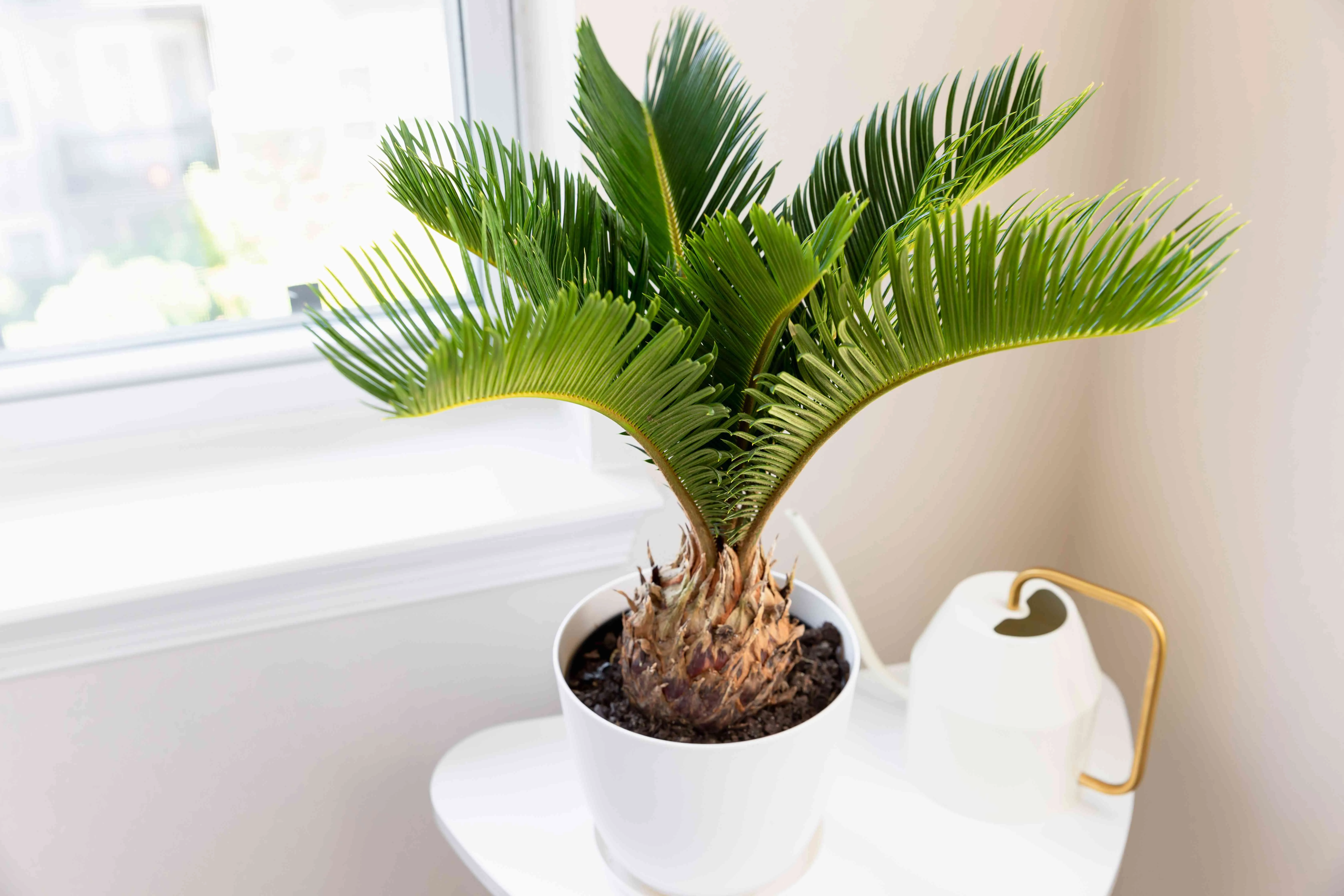
Sago palm
Cycas revoluta
Toxin: Cycasin · All parts toxic, seeds most concentrated
Vomiting, bloody diarrhea, liver failure, seizures. ~50% mortality even with aggressive treatment. Common in patio planters and entryway landscaping.
Fatal
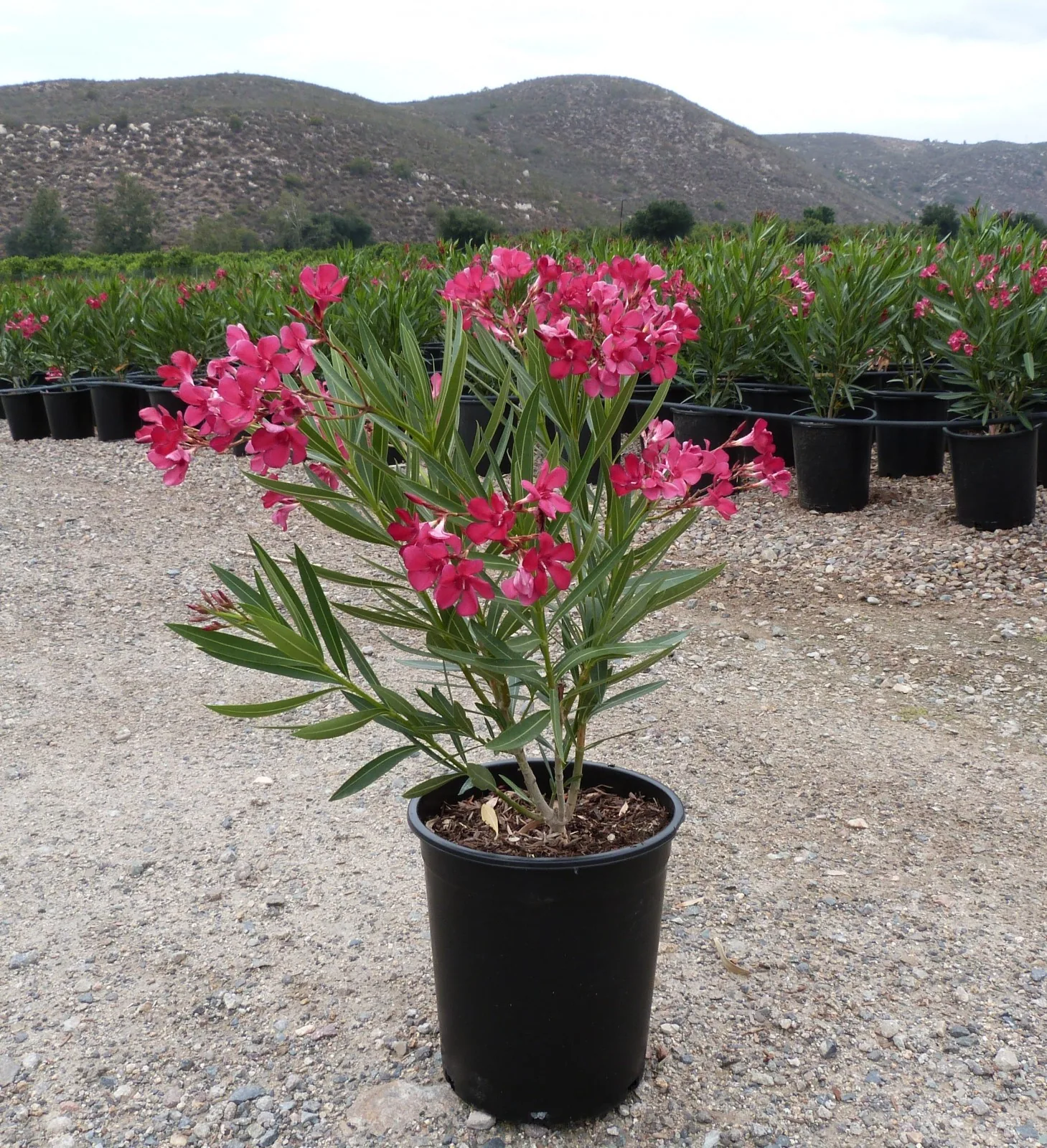
Oleander
Nerium oleander
Toxin: Cardiac glycosides · All parts toxic, even dried leaves
Causes arrhythmia and cardiac arrest. Vomiting, lethargy, drooling within hours. As little as a few leaves can be lethal.
Fatal
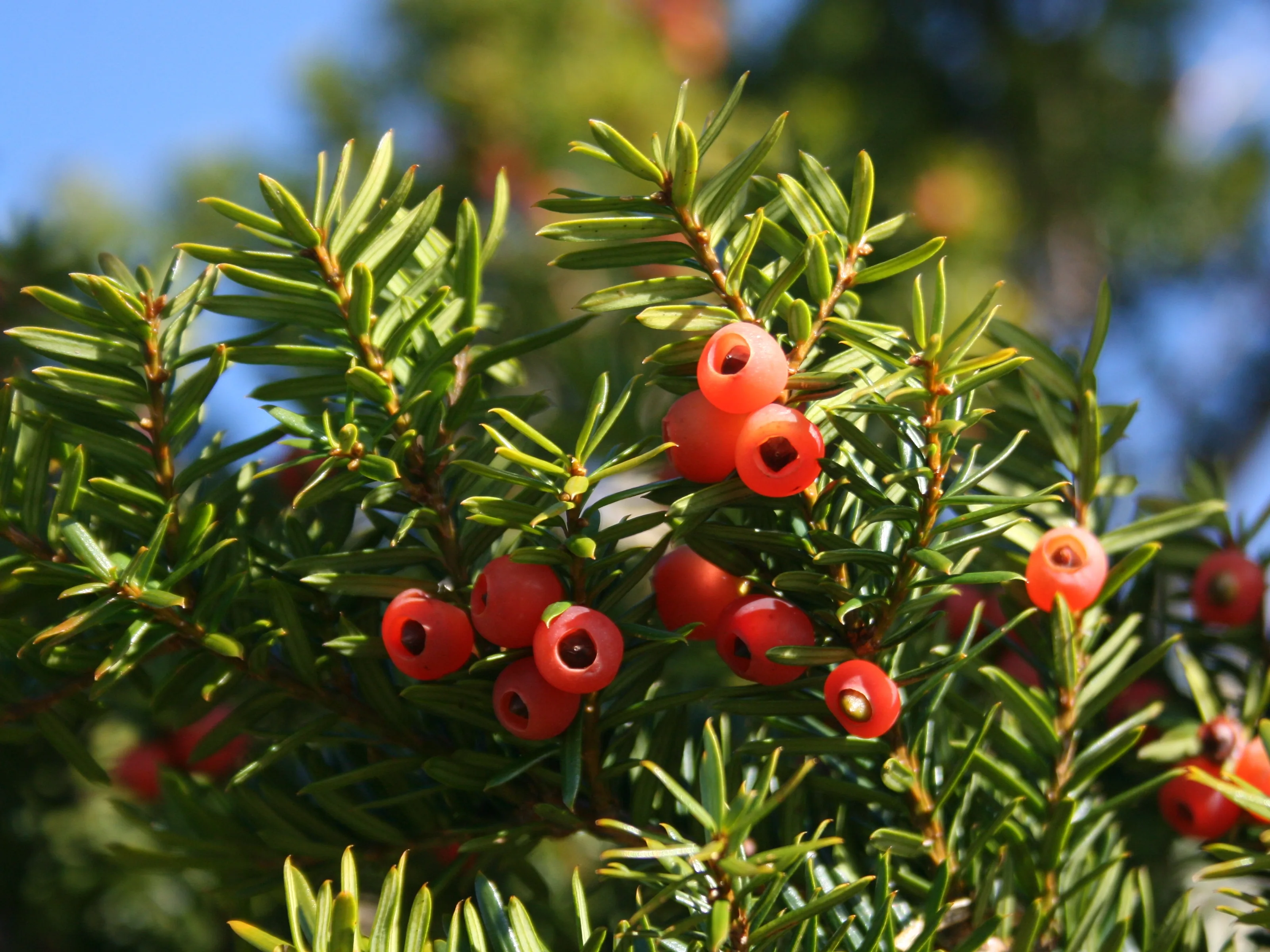
Yew
Taxus species
Toxin: Taxine alkaloids · All parts except the red berry flesh (seed is toxic)
Sudden cardiac collapse, often without prior symptoms. Common as evergreen hedge — easy to overlook how dangerous it is.
Severe
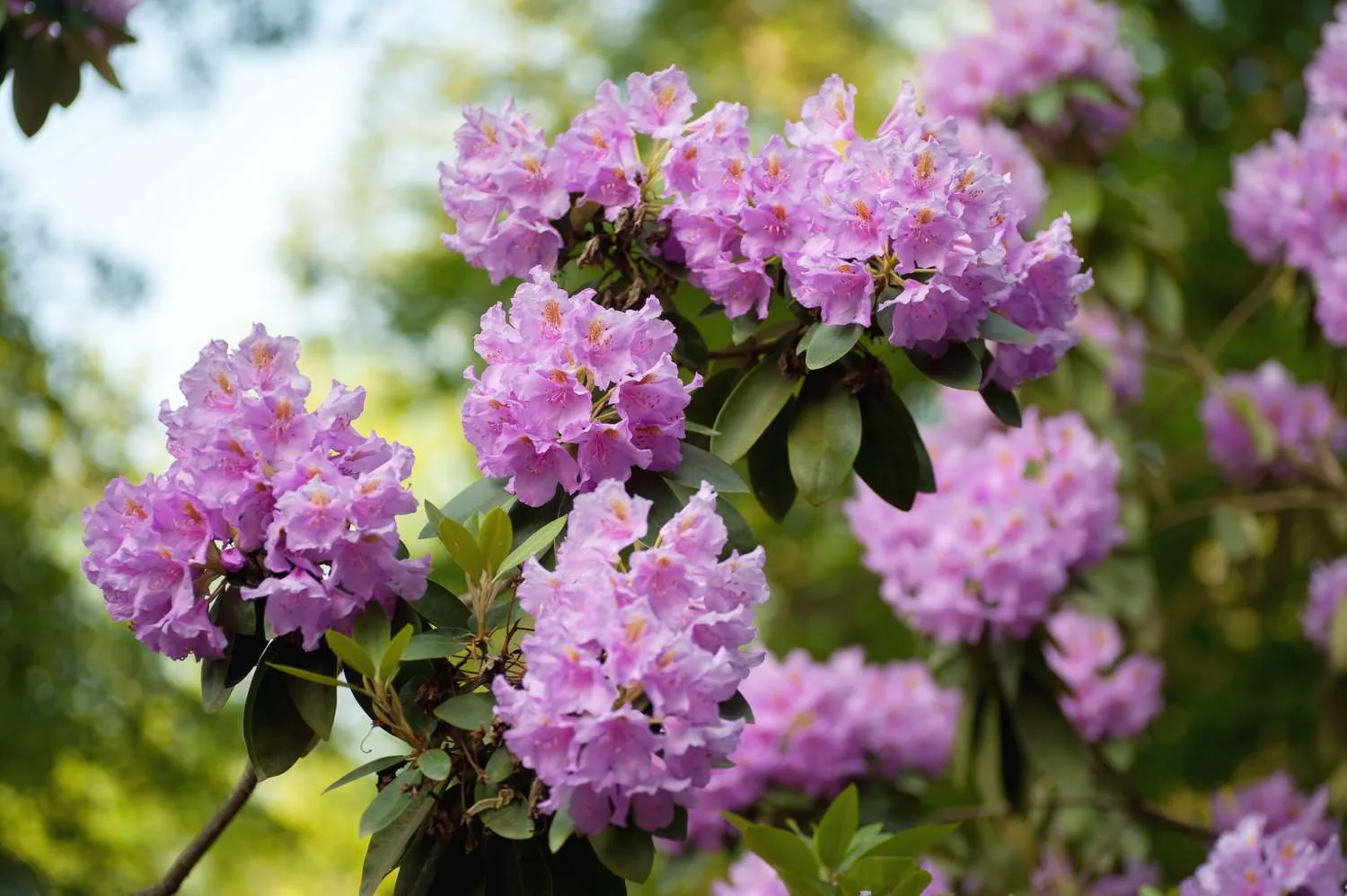
Azalea
Rhododendron species
Toxin: Grayanotoxins · Leaves & flowers
Vomiting, weakness, hypotension, seizures. Even a few leaves can poison a small dog. Extremely common in Utah landscape beds.
Fatal
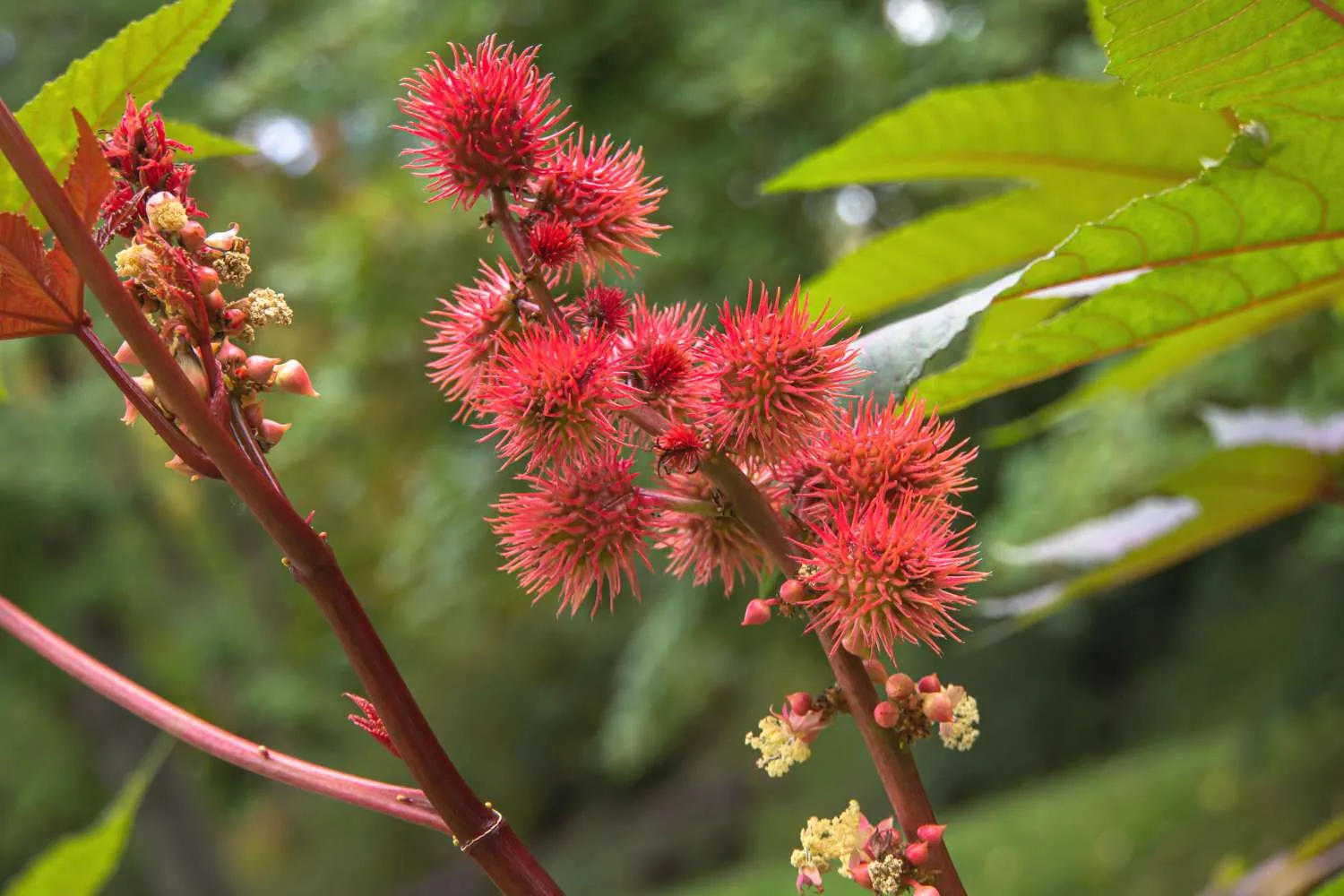
Castor bean
Ricinus communis
Toxin: Ricin · Seeds most lethal
One of the most potent natural toxins known. Severe vomiting, bloody diarrhea, kidney failure. Grown ornamentally for the dramatic foliage.
Moderate
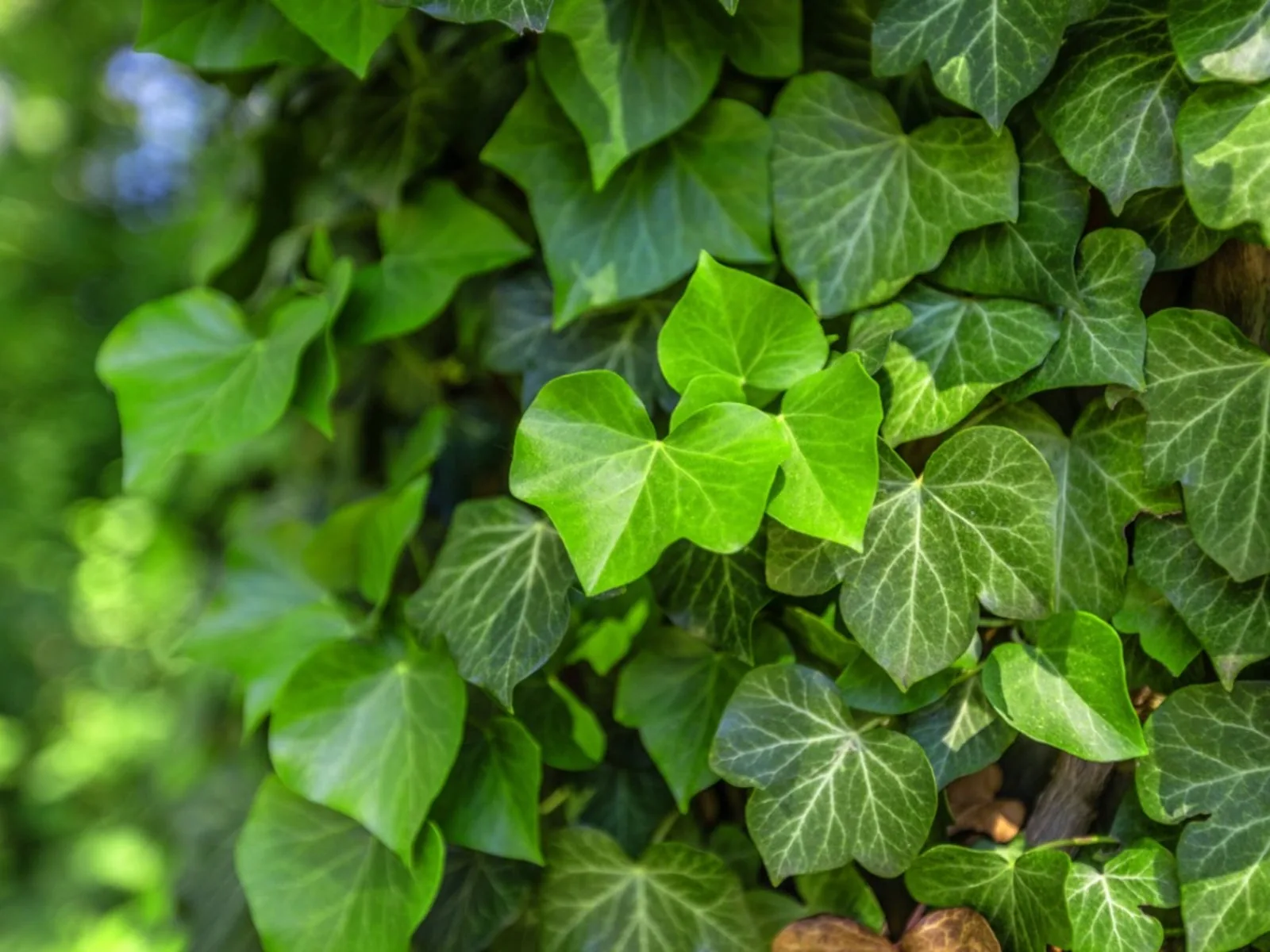
English Ivy
Hedera helix
Toxin: Saponins & polyacetylenes · Leaves more toxic than berries
Drooling, vomiting, abdominal pain. Rarely fatal but very common as ground cover — keep dogs away from large patches.
A Scoopie note
Our techs flag dangerous plants on the first visit — part of the standard yard walkthrough.
Spring is the most dangerous season. Bulbs come up, gardens come back, and curious dogs find new things to chew. The most common offenders:
Fatal
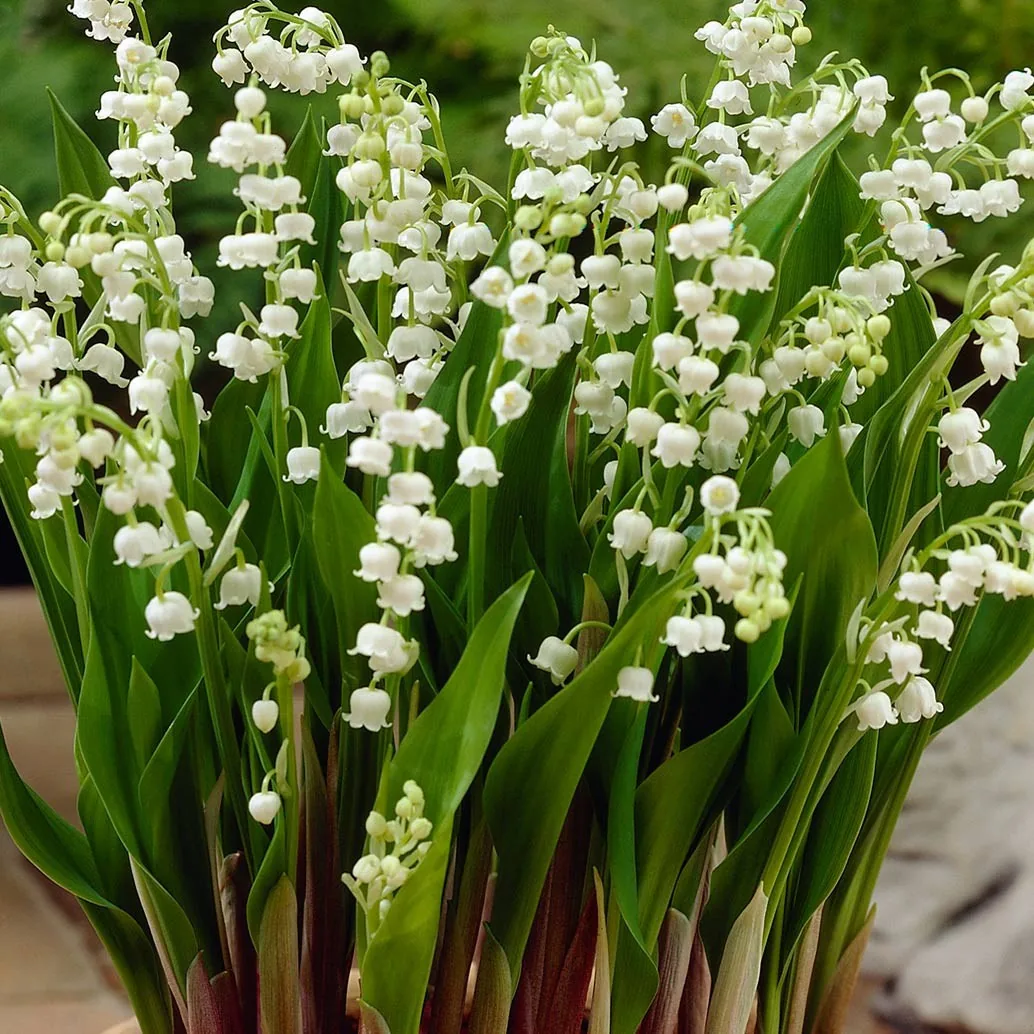
Lily of the Valley
Convallaria majalis
Toxin: Cardiac glycosides · All parts, including water from a vase
Severe heart arrhythmias, vomiting, collapse. Often planted as a shade ground cover. Highly fatal even in small amounts.
Fatal
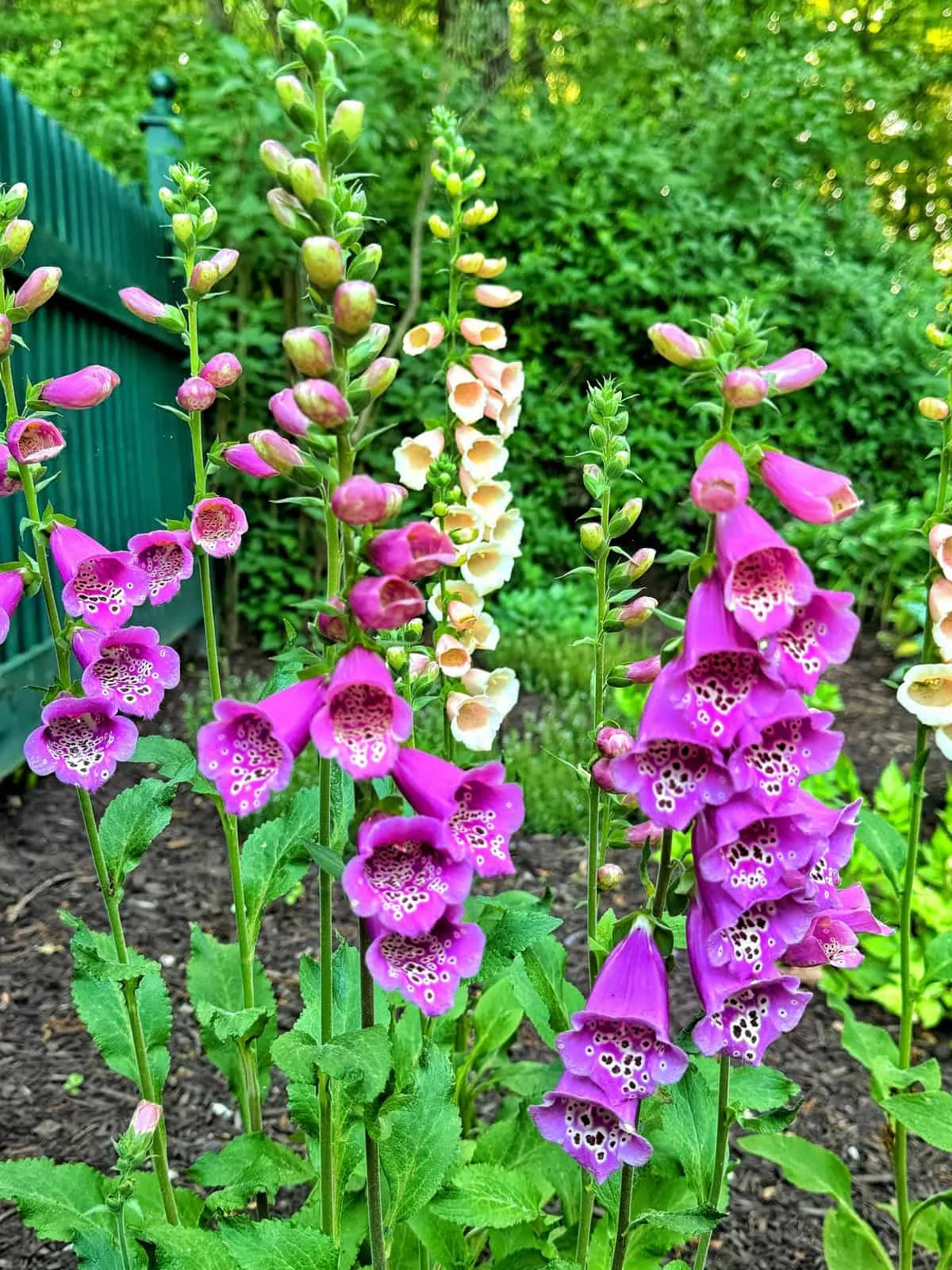
Foxglove
Digitalis purpurea
Toxin: Digitoxin (cardiac glycosides) · All parts
Slow or irregular heartbeat, drooling, weakness, collapse. Tall purple bell-shaped flowers; the same source of the human heart medication.
Fatal
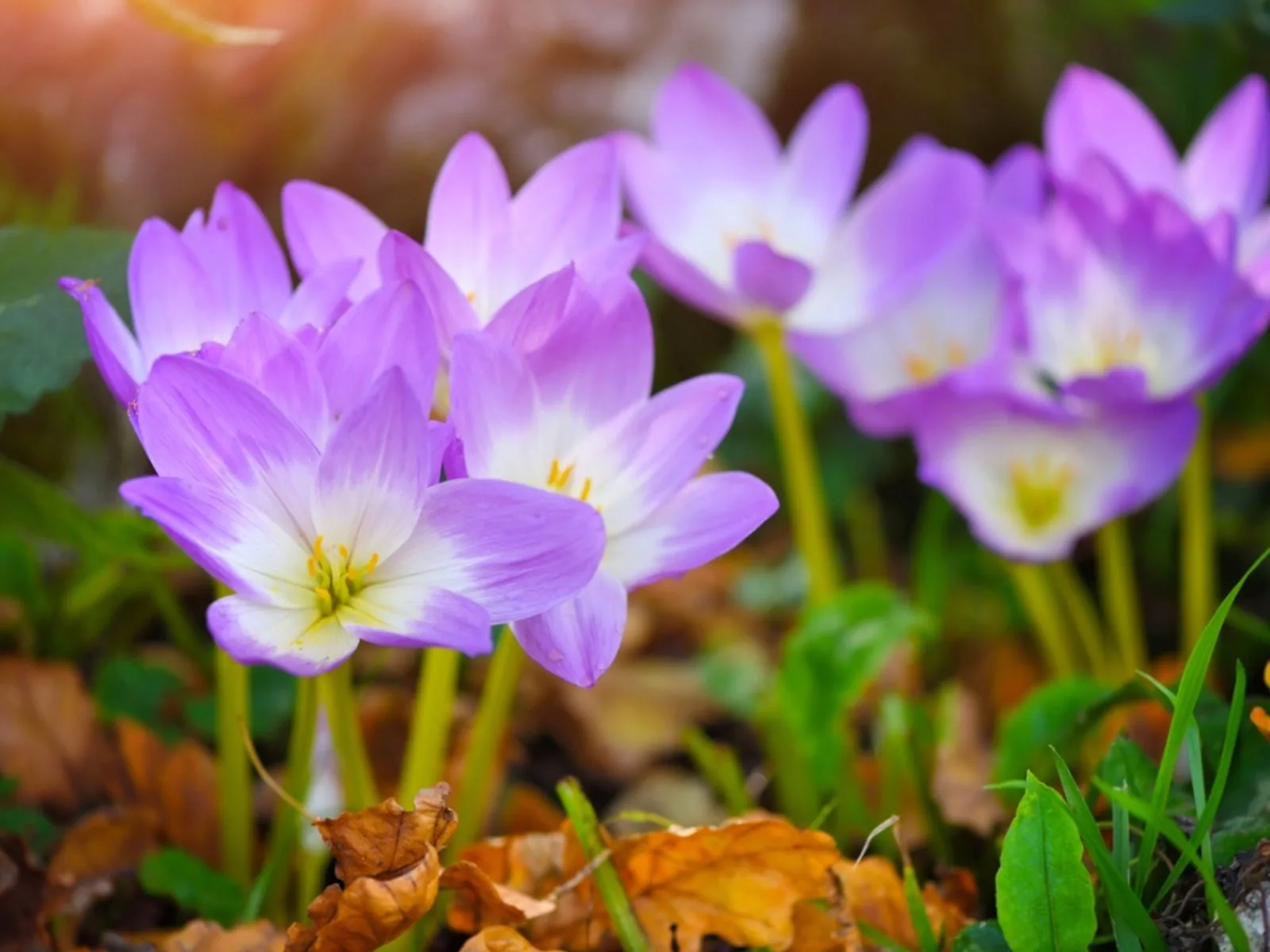
Autumn crocus
Colchicum autumnale
Toxin: Colchicine · All parts, bulb most concentrated
Severe GI bleeding, multi-organ failure, bone marrow suppression. Symptoms can appear up to several days after ingestion.
Severe
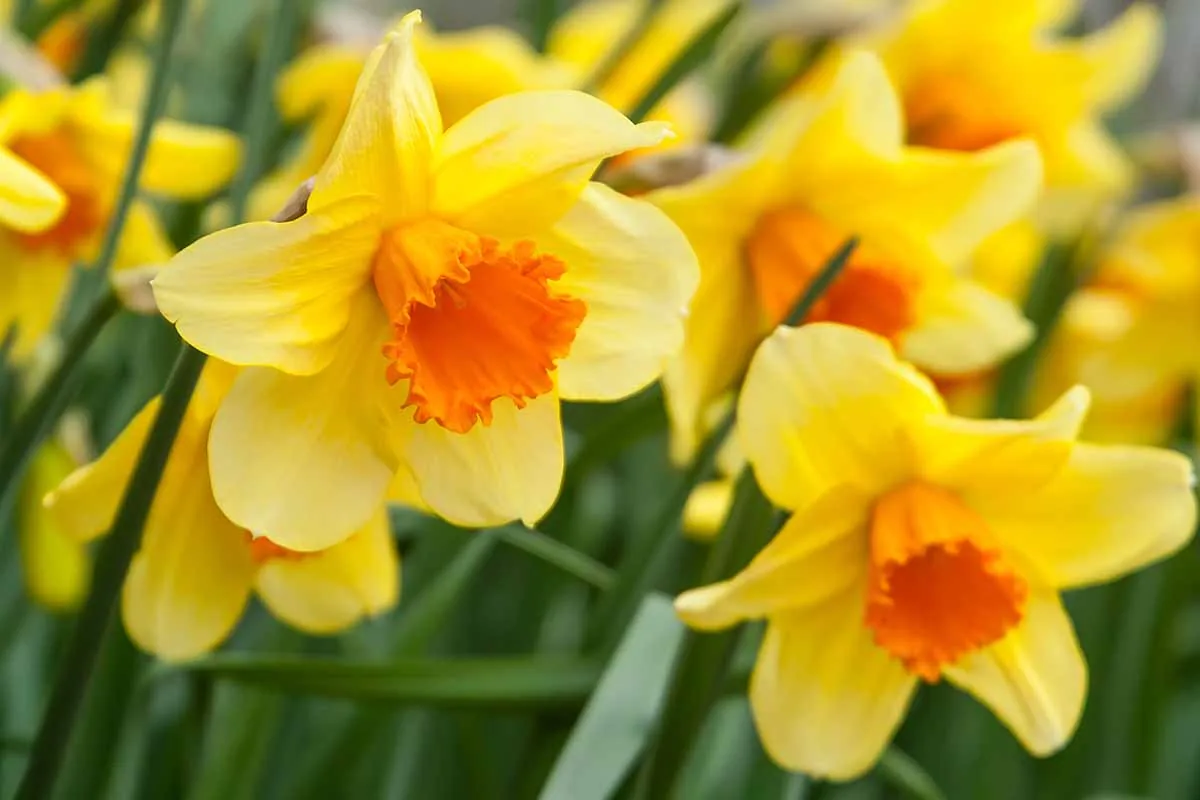
Daffodil
Narcissus species
Toxin: Lycorine · All parts, bulb most concentrated
Vomiting, hypotension, tremors, heart arrhythmias. Bulbs are the most dangerous part — common spring digging hazard.
Moderate
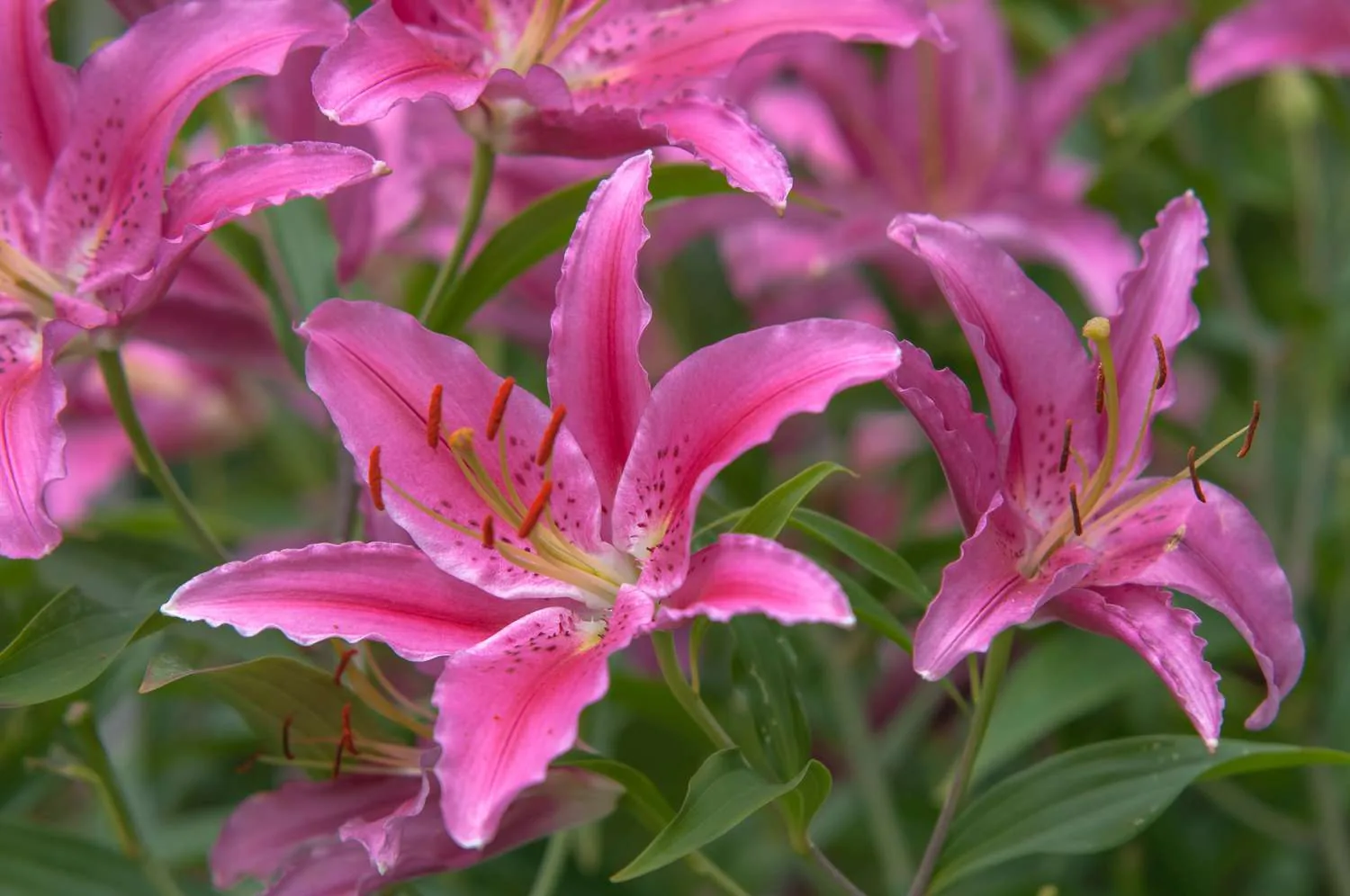
True lilies
Lilium & Hemerocallis
Toxin: Unknown nephrotoxin · Especially fatal to cats; GI upset in dogs
For dogs: vomiting, drooling, GI distress. For cats sharing the household: lilies are catastrophically toxic and should never be in the home.
Moderate
Tulip
Tulipa species
Toxin: Tulipalin A & B · All parts; bulb most concentrated
Vomiting, drooling, diarrhea, lethargy, and loss of appetite. Bulb ingestion — common in fall and spring when planting or digging — can cause labored breathing and elevated heart rate. Skin contact with bulbs may also cause irritation.
Section 03Wild mushrooms
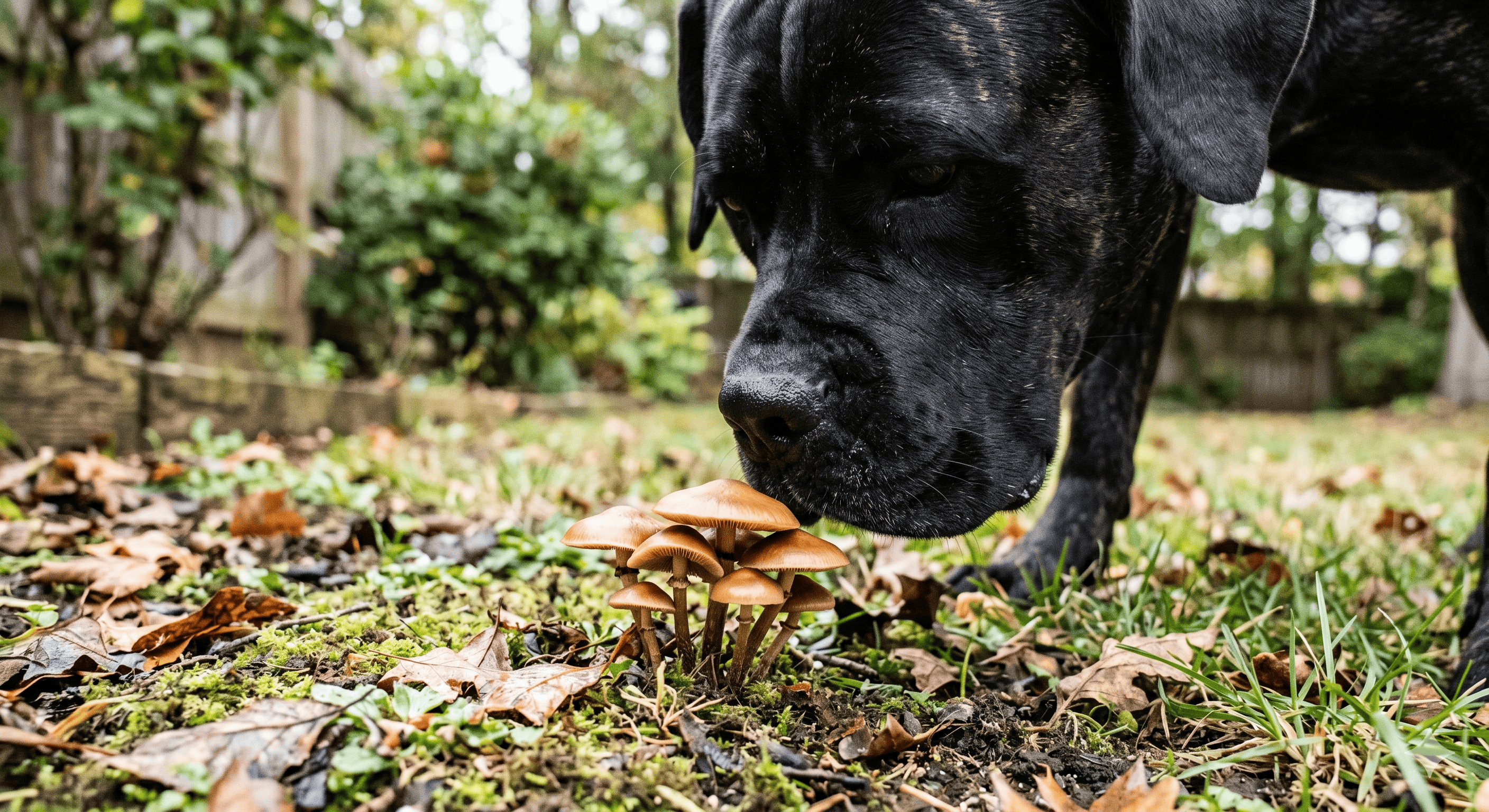
Mushrooms are the hardest category to manage because they appear overnight after rain, often in shaded mulch, lawn corners, and under trees. The rule we follow: treat every wild mushroom as toxic until proven otherwise by an expert. Dogs are particularly drawn to certain fishy-smelling species.
Fatal
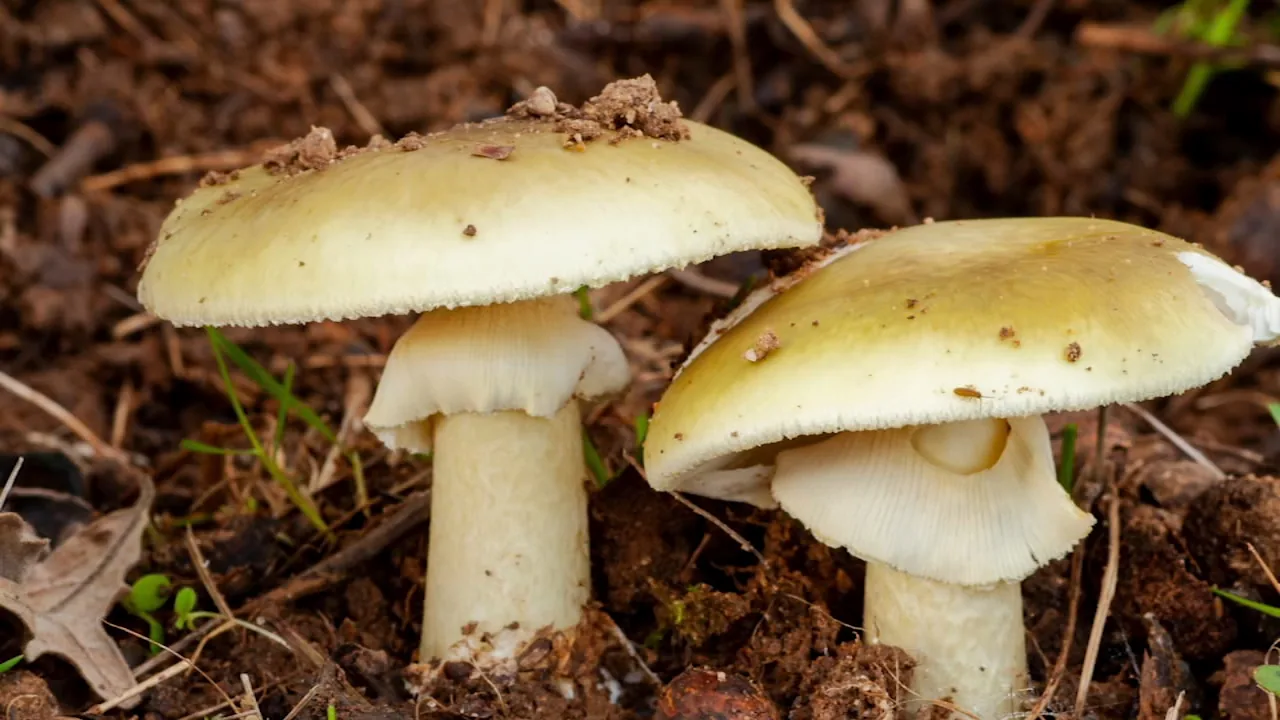
Death cap
Amanita phalloides
Toxin: Amatoxins · Greenish-yellow cap, white gills
Responsible for the majority of mushroom deaths in animals. Symptoms appear 6–24 hours after ingestion: vomiting, diarrhea, then deceptive recovery, then liver failure.
Fatal
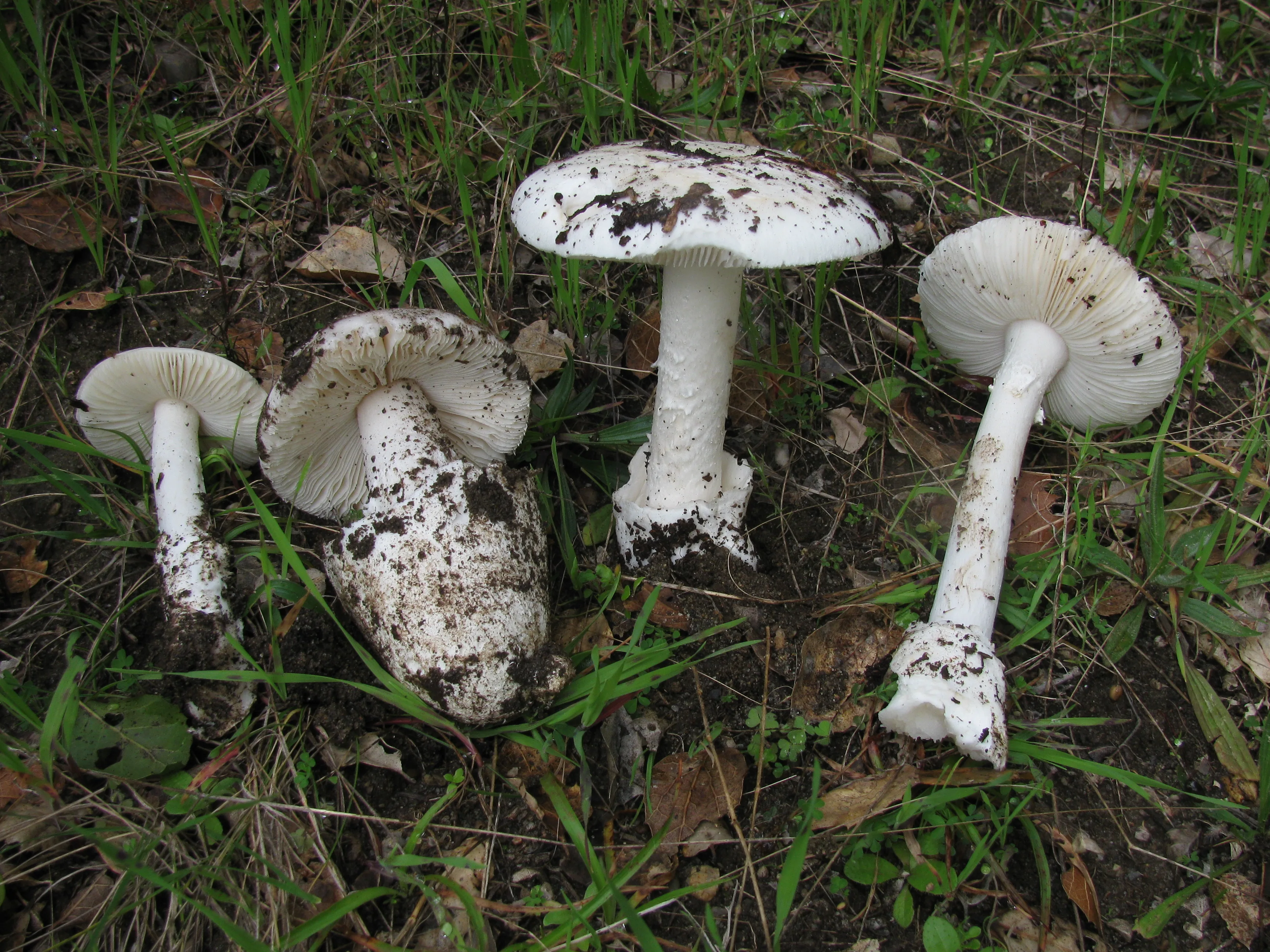
Destroying angel
Amanita ocreata / virosa
Toxin: Amatoxins · Entirely pure white
Same toxin family as death cap, equally fatal. Looks innocently like a button mushroom. Found in mountain regions including parts of Utah.
Severe
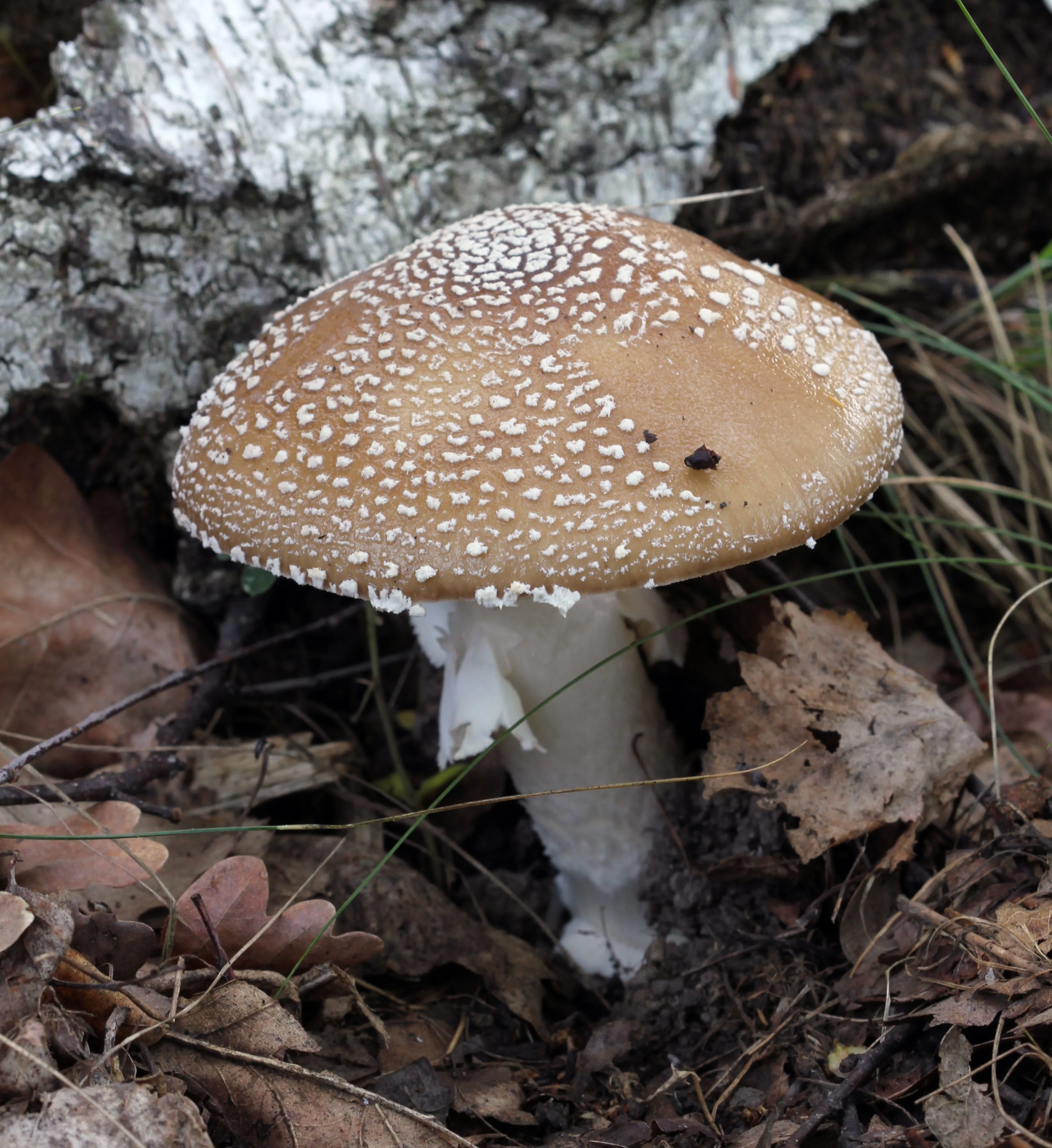
Panther cap
Amanita pantherina
Toxin: Ibotenic acid · Brown cap with white spots
Severe neurological symptoms: tremors, disorientation, seizures, coma. Found in pine and aspen forest soils across Utah.
Severe
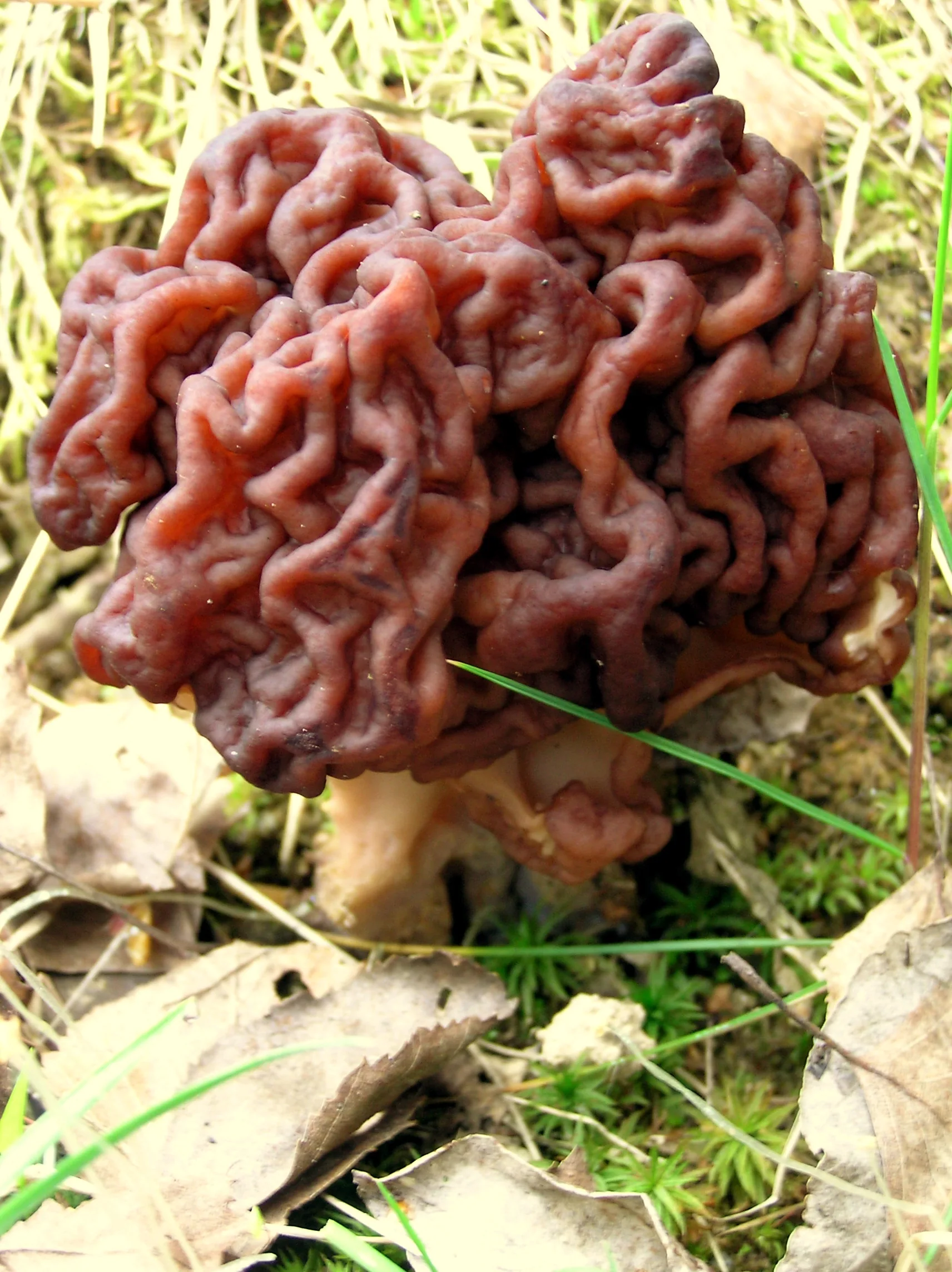
False morels
Gyromitra species
Toxin: Gyromitrin · Brain-like, lobed caps
Liver damage, hemolytic anemia, seizures. Easily confused with edible morels — even foragers misidentify them.
More likely in your actual yard
The four above are the lethal headliners — but most ingestions we hear about involve the smaller, less dramatic mushrooms that show up overnight in lawns, mulch beds, and under shade trees. These are the ones to recognize on a Saturday morning walk-through:
Severe
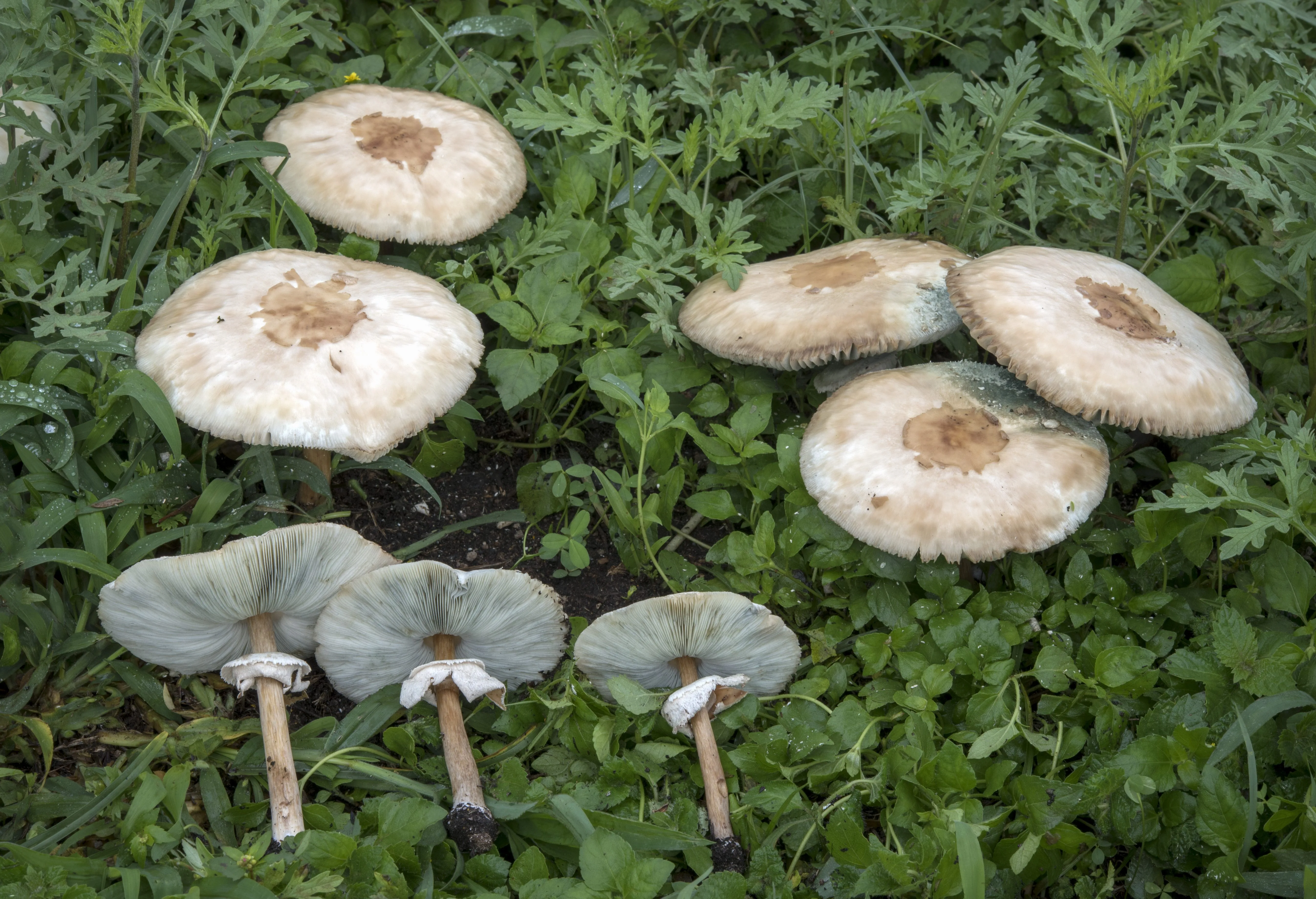
Green-spored parasol
Chlorophyllum molybdites
Toxin: Unknown GI irritant · Large cream cap with brown scales, greenish gills at maturity
The most commonly ingested poisonous mushroom in North America. Grows in fairy rings on watered lawns after summer rain. Severe vomiting and bloody diarrhea within 1–3 hours; rarely fatal but brutally fast.
Severe
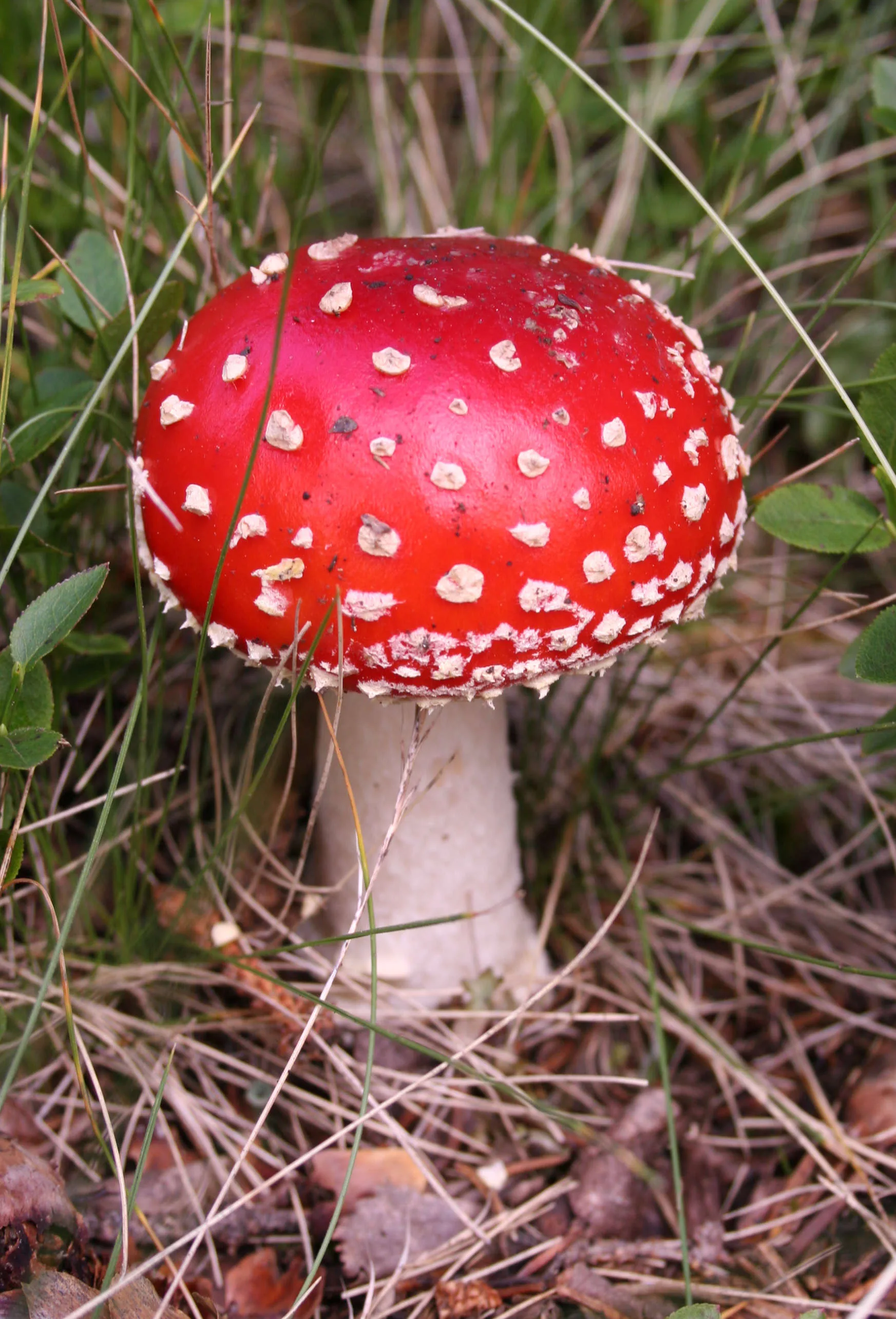
Fly agaric
Amanita muscaria
Toxin: Ibotenic acid & muscimol · Red or orange cap with white warts
The iconic storybook mushroom — and a real backyard hazard near birch, pine, or aspen. Drooling, tremors, disorientation, seizures, and coma. Dogs are unusually attracted to the smell.
Fatal
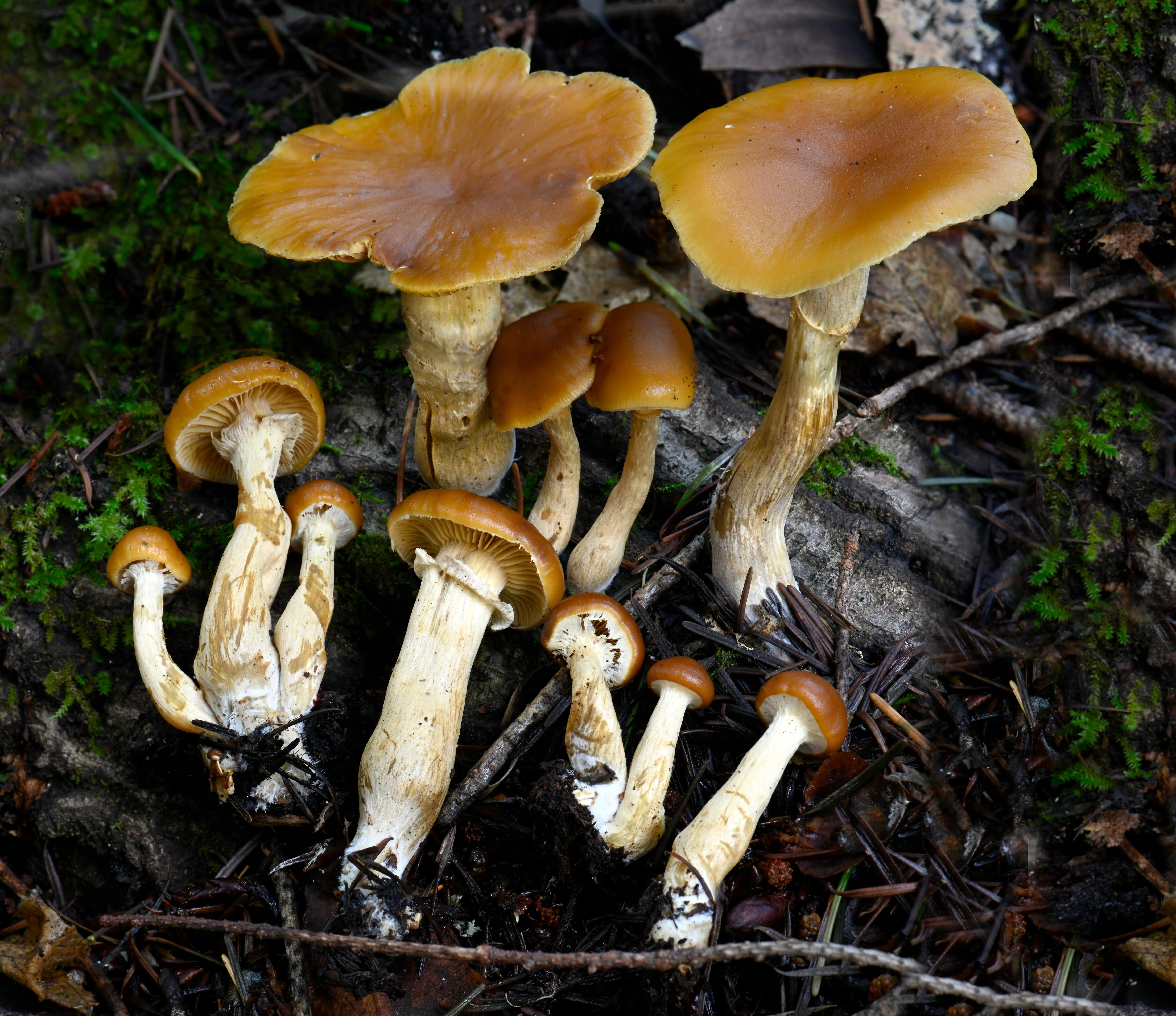
Deadly galerina
Galerina marginata
Toxin: Amatoxins · Small tan-brown cap, rusty spore print, grows on wood
Same liver-destroying toxin as the death cap, in a tiny "little brown mushroom" form. Clusters on rotting logs, mulch beds, and old stumps — extremely easy for a dog to grab unnoticed.
Moderate
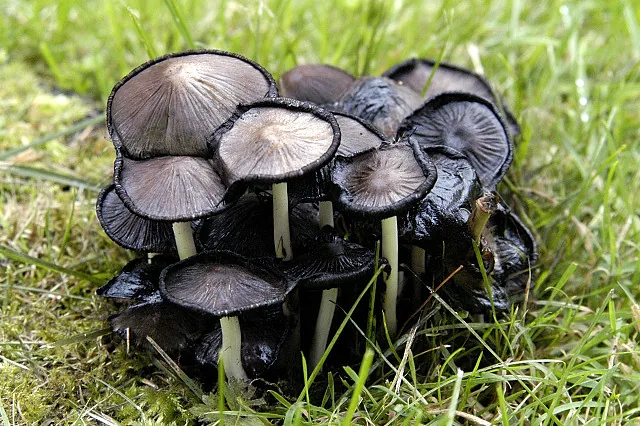
Inky cap
Coprinopsis atramentaria
Toxin: Coprine · Bell-shaped grey cap that dissolves into black "ink"
Pops up in lawns, gardens, and compost-rich soil. Vomiting, rapid heartbeat, flushing, weakness — typically within a few hours. Not usually fatal but a definite vet visit.
Moderate
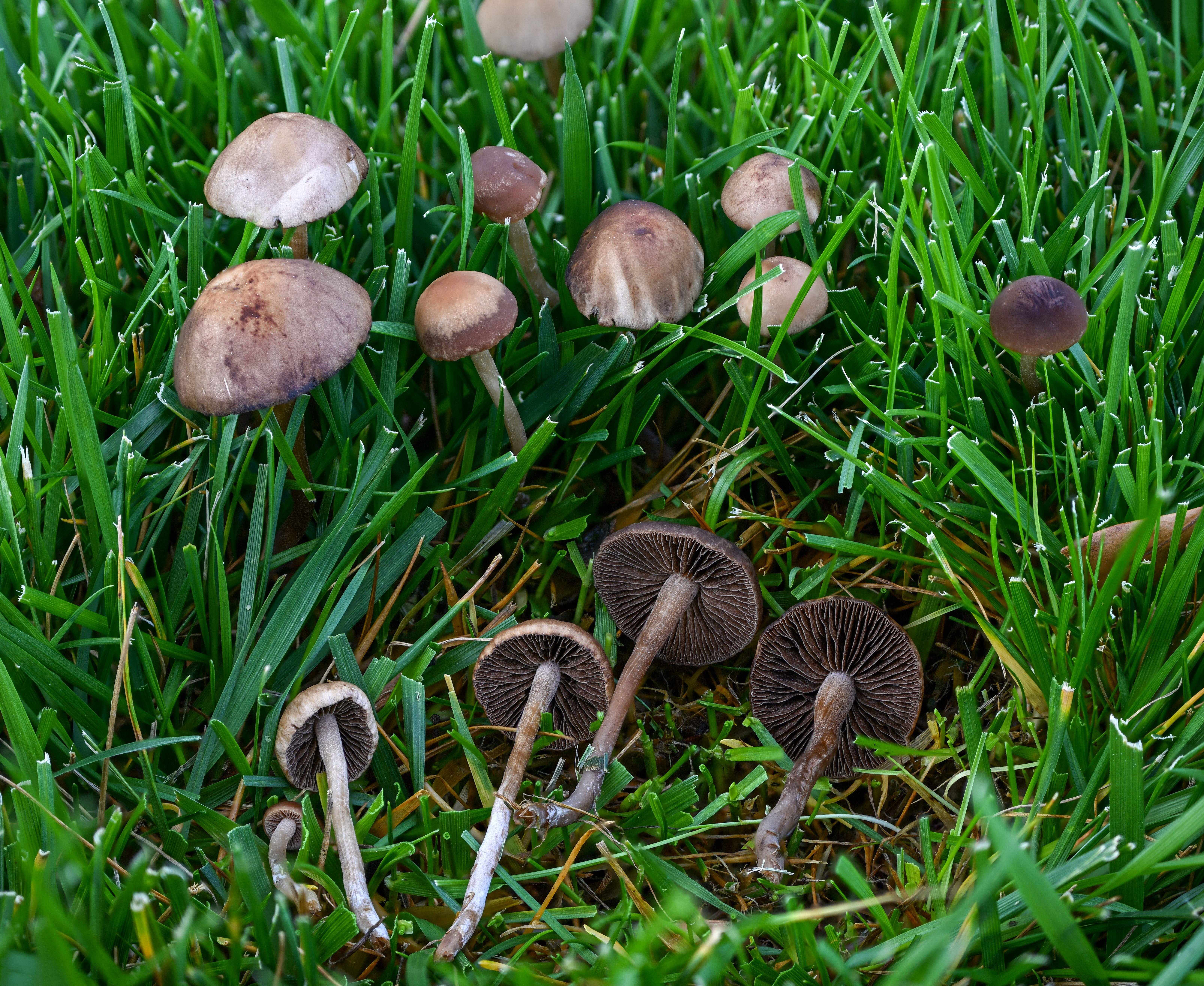
Lawn mower's mushroom
Panaeolus foenisecii
Toxin: Variable; some strains contain psilocybin · Tiny brown cap, dark gills
The single most common lawn mushroom in North America. Most ingestions cause GI upset, but small dogs can show neurological signs: disorientation, tremors, elevated heart rate.
!
Mushroom rule of thumb
If your dog ate a wild mushroom — any wild mushroom — treat it as an emergency. Don't try to identify it yourself. Bag a sample (paper bag, not plastic), photograph it in place, and call poison control on the way to the clinic.
Section 04Signs of poisoning
Symptoms vary by toxin, but these are the most common — and the ones that mean stop reading and call your vet:
Sudden vomiting or diarrhea, especially if bloody
Excessive drooling or foaming at the mouth
Lethargy or weakness coming on quickly
Tremors or seizures
Stumbling, disorientation, collapse
Irregular heartbeat or breathing
Loss of appetite combined with any of the above
Yellowing of gums or skin — late sign of liver damage
"With most plant and mushroom toxins, the symptom-free window is the most dangerous part. By the time the dog looks sick, the damage is well underway."
— Veterinary toxicology, general principle
Section 05Yard prevention checklist
The honest truth: you can't make a yard 100% safe. Wind, neighbors, and curious dogs see to that. But you can substantially reduce risk in an afternoon:
Action
Why it matters
Priority
Walk the yard and identify every plant
You can't remove what you can't name
Do today
Remove any sago palm, oleander, yew, foxglove, or lily of the valley
The top-five fatal offenders
Do today
Bag and discard bulbs your dog could dig up
Tulip, daffodil, autumn crocus bulbs are highest-risk in spring
This week
Sweep mushroom flushes after rain
Mushrooms appear overnight and disappear within days
Ongoing
Save poison control numbers in your phone
You'll need them when you're not thinking clearly
Do today
Schedule periodic yard walkthroughs
Plants drift in from neighbors; new mushrooms appear
Quarterly
§
A trained eye, every week
We notice what's growing before your dog does.
Every Scoopie visit includes a quick scan for toxic plants, new mushroom flushes, and other yard hazards. If something concerning shows up, you get a same-day note. We serve Utah County and Salt Lake County, including Lehi yard cleanup service.
Backed by the Double Guarantee30-day money backTrained yard walkthroughs
S
About the author
The Scoopie Team
Scoopie is Utah's only pet waste removal service that treats yard care as early-warning healthcare. Founded in 2025, we serve Utah County and Salt Lake County — and we look carefully while we work.
This article is for general education and is not a substitute for veterinary advice. Plant and mushroom toxicity references draw on ASPCA Animal Poison Control Center, Pet Poison Helpline, and AVMA published guidance. Severity and outcome vary widely with species, dose, and the individual dog. If you suspect any plant or mushroom ingestion, contact your veterinarian or poison control immediately.

 Pet health
 Yard wellness
 Yard wellness