The Wysiwash treatment, explained
What hospital-grade hypochlorous acid actually is, and why we use it on every visit.
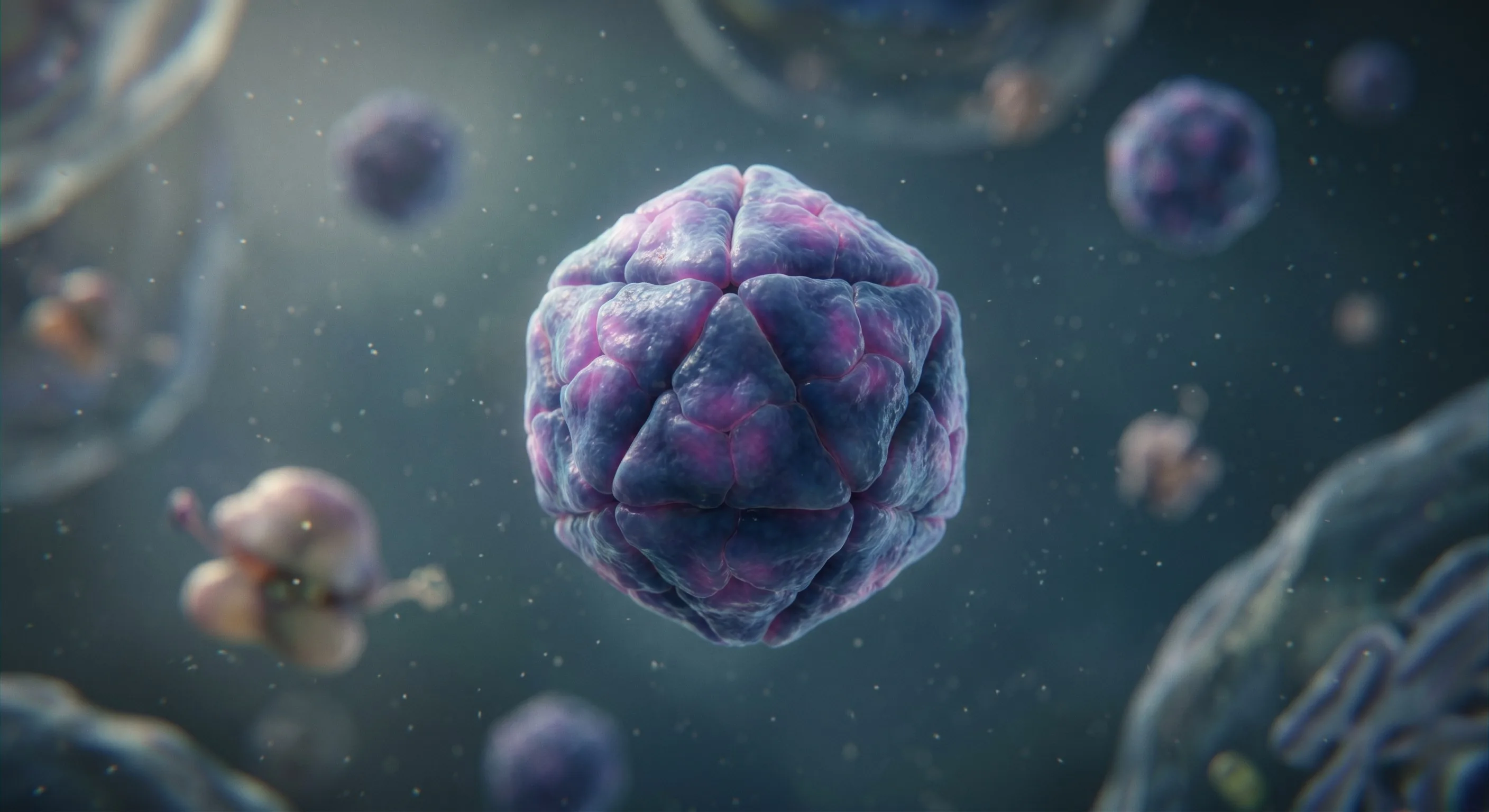
First, we're sorry. If you're reading this, you've probably just been through one of the worst weeks of pet ownership, and you're already thinking about the dog after the one you lost. That's not callous. That's the right thing to be thinking about. Because parvovirus doesn't politely leave when the dog does.
Canine parvovirus is one of the hardiest pathogens in veterinary medicine. It can live in your soil, on your fence, in your kennel runs, and in shaded corners of your yard for up to twelve months. Bleach kills it. Sunlight slowly degrades it. Freezing winters don't reset the clock the way most people hope. So before another puppy comes home, the yard has to do its share of the healing.
Parvovirus is a non-enveloped virus, which is the technical way of saying it doesn't have a fragile fatty outer layer to break down. That's why it shrugs off most household disinfectants, dryness, and freezing temperatures that would kill other pathogens within hours.
Once an infected dog sheds parvo in their stool, the virus binds to soil, grass, gravel, concrete, and porous surfaces. From there:
Parvo doesn't stay where the pile was. Dog paws, your shoes, rain runoff, and squirrels all carry it across the yard within days. Treat the entire property as contaminated, not just the spot.
Bedding, soft toys, fabric collars, rope leashes, the dog bed liner, food and water bowls (if plastic), and any soft items in the kennel area. These can't be reliably disinfected. Bag them and discard.
Double-bag and dispose in sealed trash, not yard waste, not compost. Wear disposable gloves. Wash hands before touching surfaces inside the home.
Concrete patios, kennel runs, plastic crates, sealed flooring, metal gates and latches: scrub with a 1:30 bleach solution (about ½ cup bleach per gallon of water). Let it sit for 10 minutes before rinsing. Repeat after 24 hours.
Parvo travels home on the soles of your shoes. Keep a dedicated pair of yard shoes if possible, or scrub soles with a 1:30 bleach solution and let them air-dry before going back inside. Do this for the full twelve-month window, not just the first week.
Bleach destroys grass and fails on organic surfaces, it is consumed by organic matter before reaching the virus. For grass and soil, use Virkon-S (potassium peroxymonosulfate) at 1% concentration with a mandatory 10-minute dwell time. It is the only disinfectant class that retains meaningful activity in the presence of organic matter. Important: complete parvo elimination from grass and soil is not achievable by any product, but Virkon-S meaningfully reduces viral load on organic surfaces where other products fail entirely. Focus application on shaded corners and high-traffic dog zones.
This is the active phase. Your goal is to reduce viral load aggressively while the yard is still freshly contaminated. Three habits, every week:
Both help. UV degrades parvo over time. Hard rain washes viral particles deeper into soil where dogs are less likely to ingest them. Neither is a substitute for active disinfection, but they're working with you in the background.
By month four, the worst is over, assuming you've kept the cleanup consistent. Viral load is dropping. Most contaminated surfaces should be sanitized to safe levels. But soil is the slow one, and the next dog isn't worth rushing.
What to do during this phase:
You're almost there. The decisions you make in this final stretch matter most, because they determine whether your next dog inherits a clean yard or a delayed second tragedy.
Fully vaccinated adults only for the first six months back. Puppies under 16 weeks, even with first vaccines, are still at risk. A vaccinated adult dog is the safest first resident of a post-parvo yard.
| Step | Why | Status |
|---|---|---|
| Confirm 12 months since last shed | Outermost edge of parvo soil viability | Required |
| Final Virkon-S treatment on all grass and soil areas | Best available chemistry for organic surface viral load reduction, applied at 1% with 10-minute dwell time | Required |
| Final Wysiwash treatment on all hard surfaces | Complete decontamination of concrete, pavers, kennel runs, and decking | Required |
| Replace soft items: beds, bowls, toys | Anything stored over the year may be contaminated | Required |
| Re-bleach hard surfaces a final time | Belt-and-suspenders peace of mind on non-porous surfaces | Recommended |
| Verify new dog's vaccine series complete | Especially DA2PPV (includes parvo), vaccination is the primary protection | Required |
| Have a vet-approved emergency plan | Know the symptoms, know the clinic | Required |
"The next dog doesn't deserve to inherit the last dog's illness. The whole point of the waiting year is to make sure they don't."
Scoopie protocolWeekly waste removal is the single most impactful thing you can do during the recovery window. No disinfectant works on a yard that still has contaminated fecal matter in it, and keeping the yard clean between treatments gives the chemistry a fighting chance. We serve Utah County and Salt Lake County, including dog waste removal in Orem.
What hospital-grade hypochlorous acid actually is, and why we use it on every visit.
 Yard wellness
A vet-informed guide to how long dog waste stays infectious, and the disinfectants that work.
 Pet safety
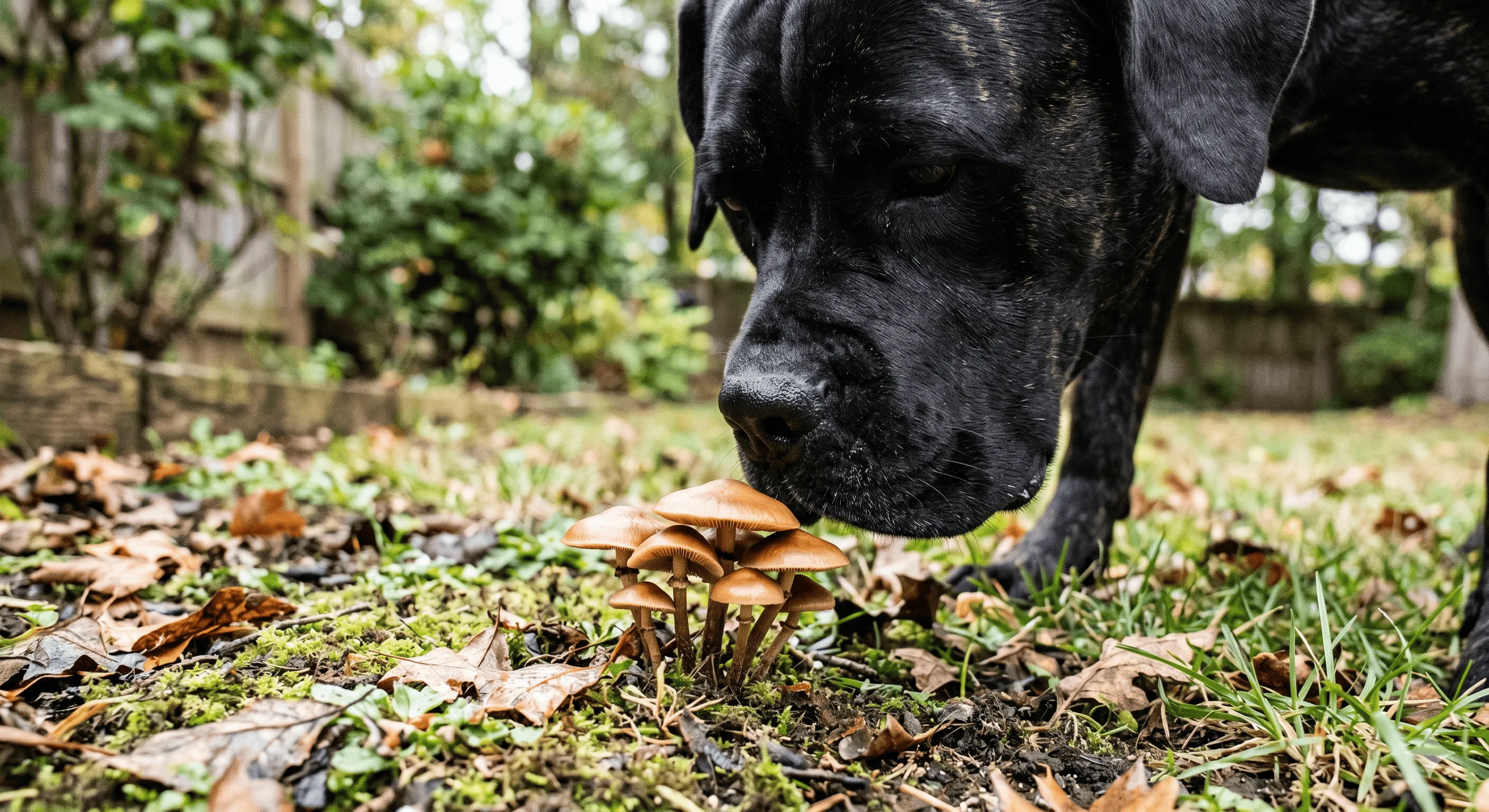
The yard hazards every Utah dog owner should be able to identify on sight.
Weekly visits. Hospital-grade sanitation. Trained eyes on every pile, every yard, every visit. Backed by the Double Guarantee.