Plants & mushrooms that are toxic to dogs
What to recognize in the yard before your dog gets to it first.
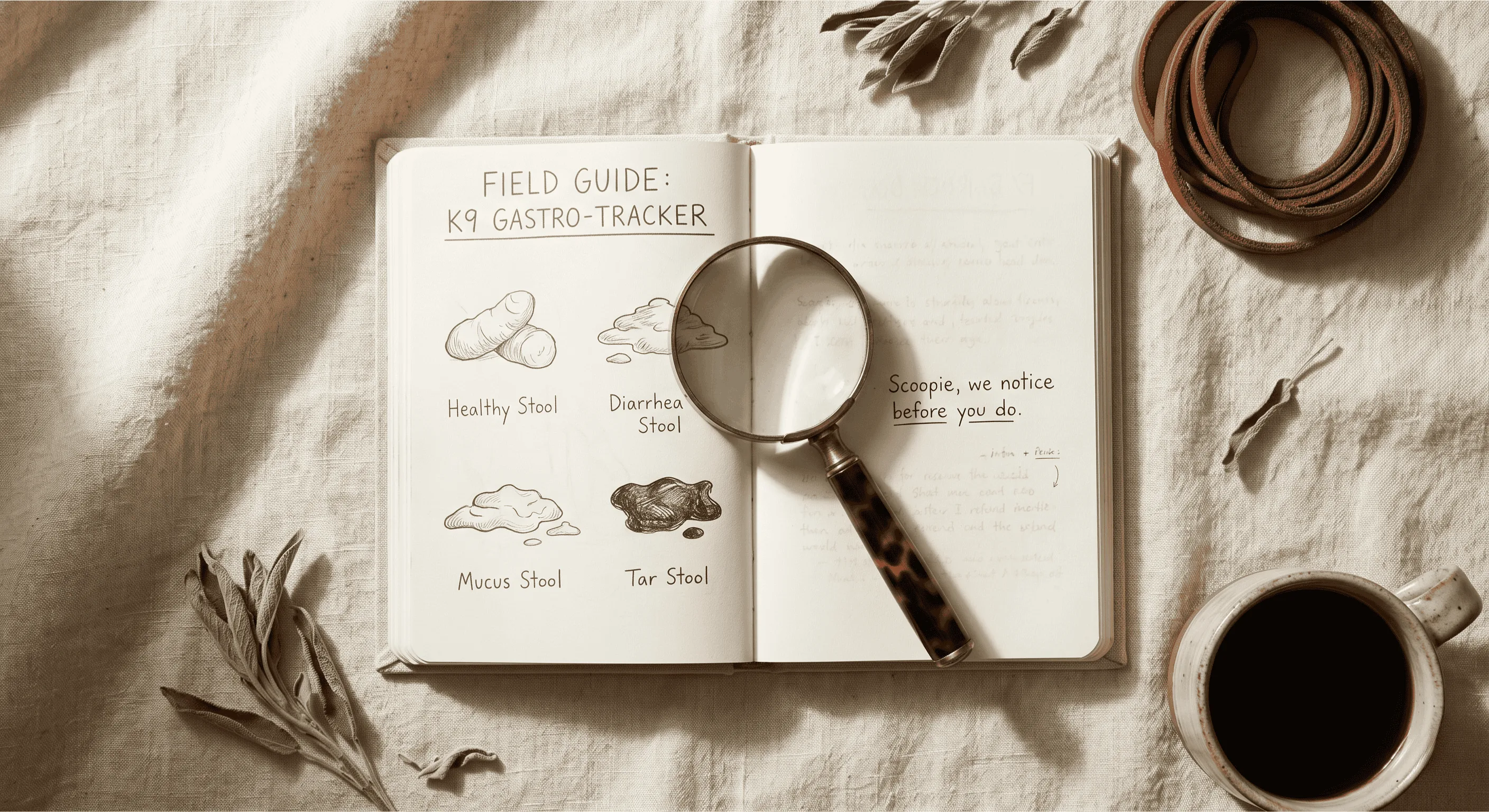
There's a reason vet techs ask about your dog's poop first. It's an honest readout of what's happening internally: digestion, hydration, parasites, stress, dietary intolerance, organ function. Most of it shows up in the yard before it shows up at the clinic. Our team trains to notice. Here's what we're looking for, in six categories.
None of this is a diagnosis. It's a prompt: when you see one of these, call your vet. Catching things early is the whole job.
Bookmark this page on your phone. When you spot something that looks off, pull it up and compare, then share with your vet.
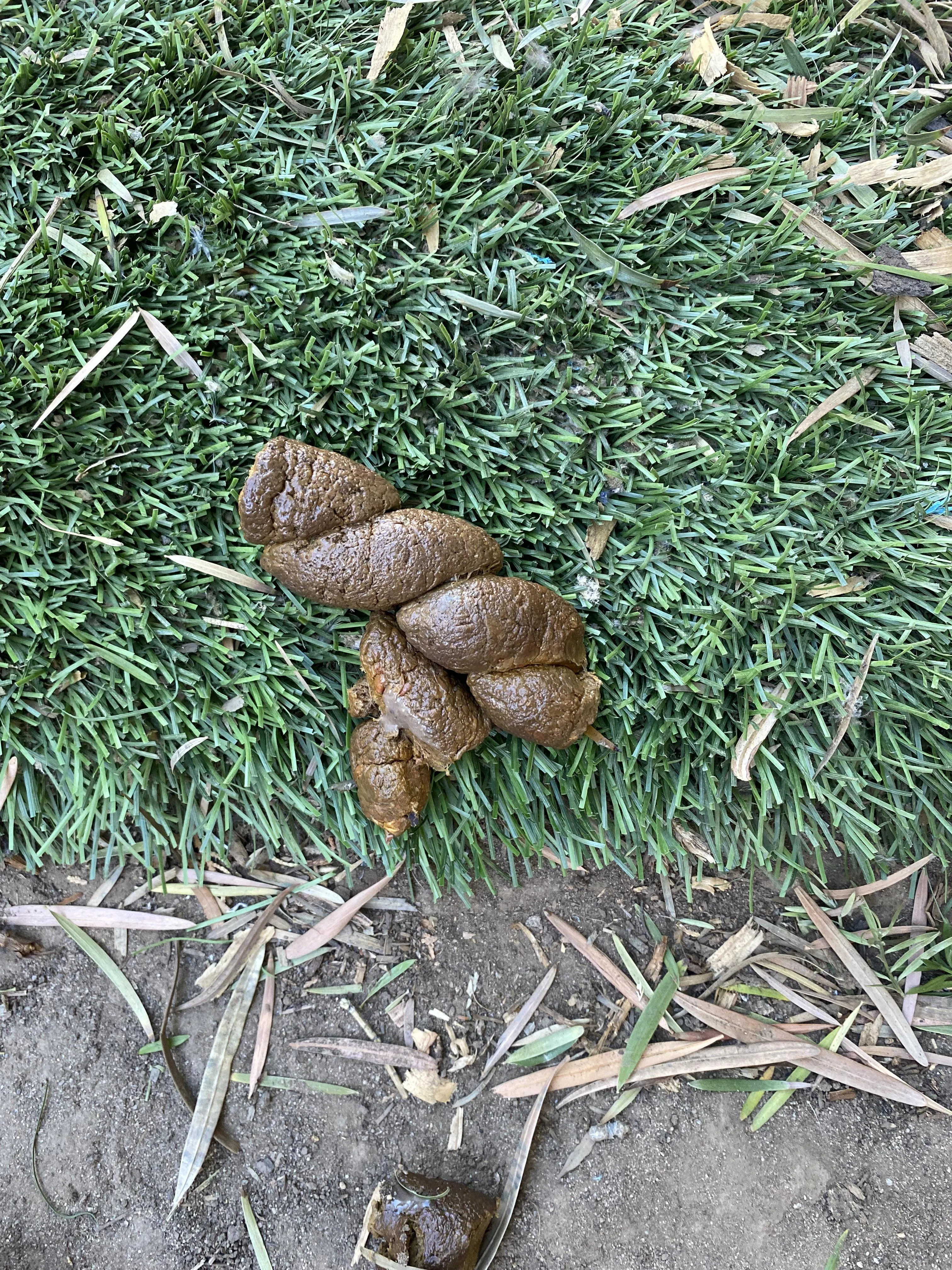
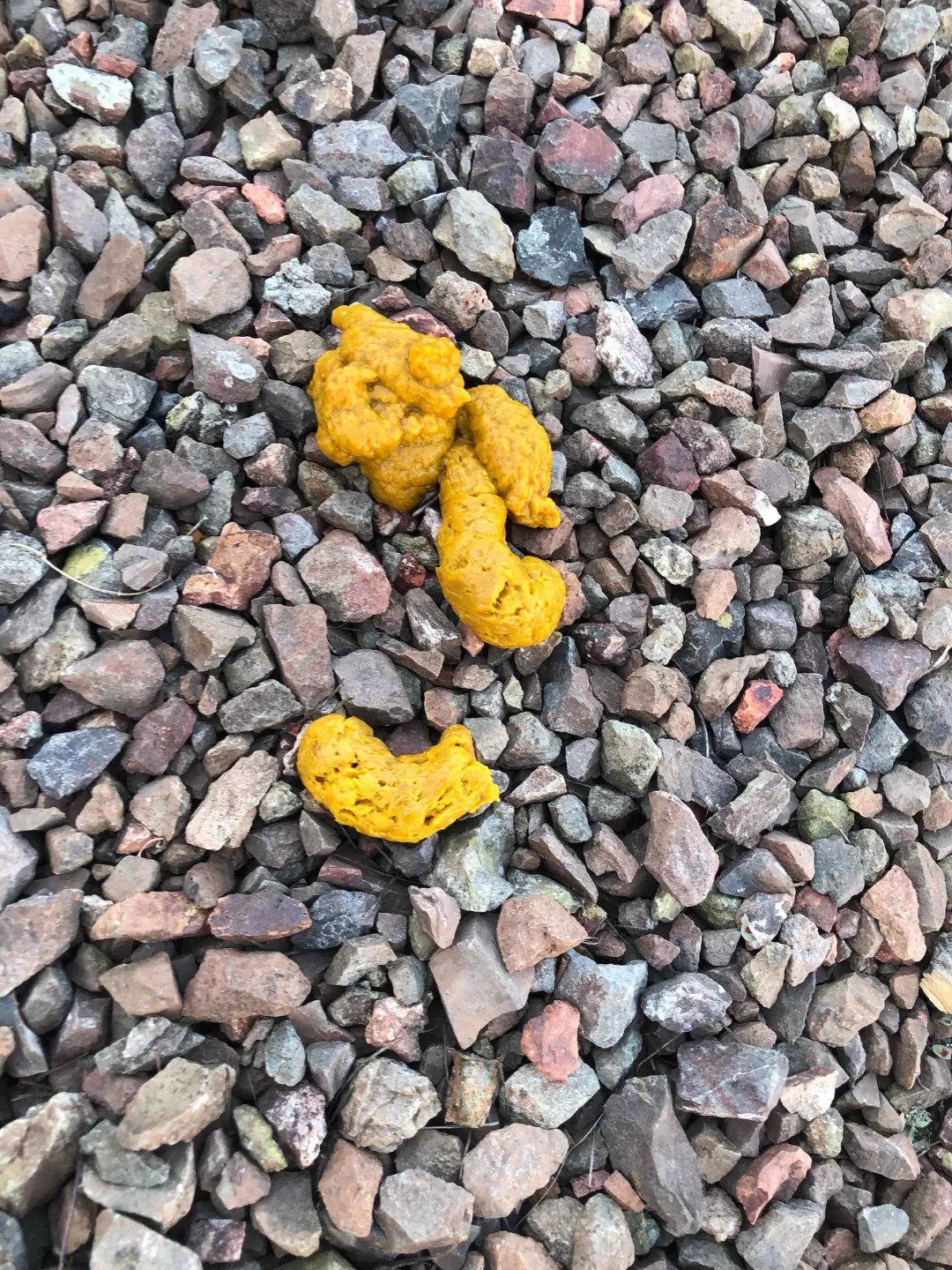
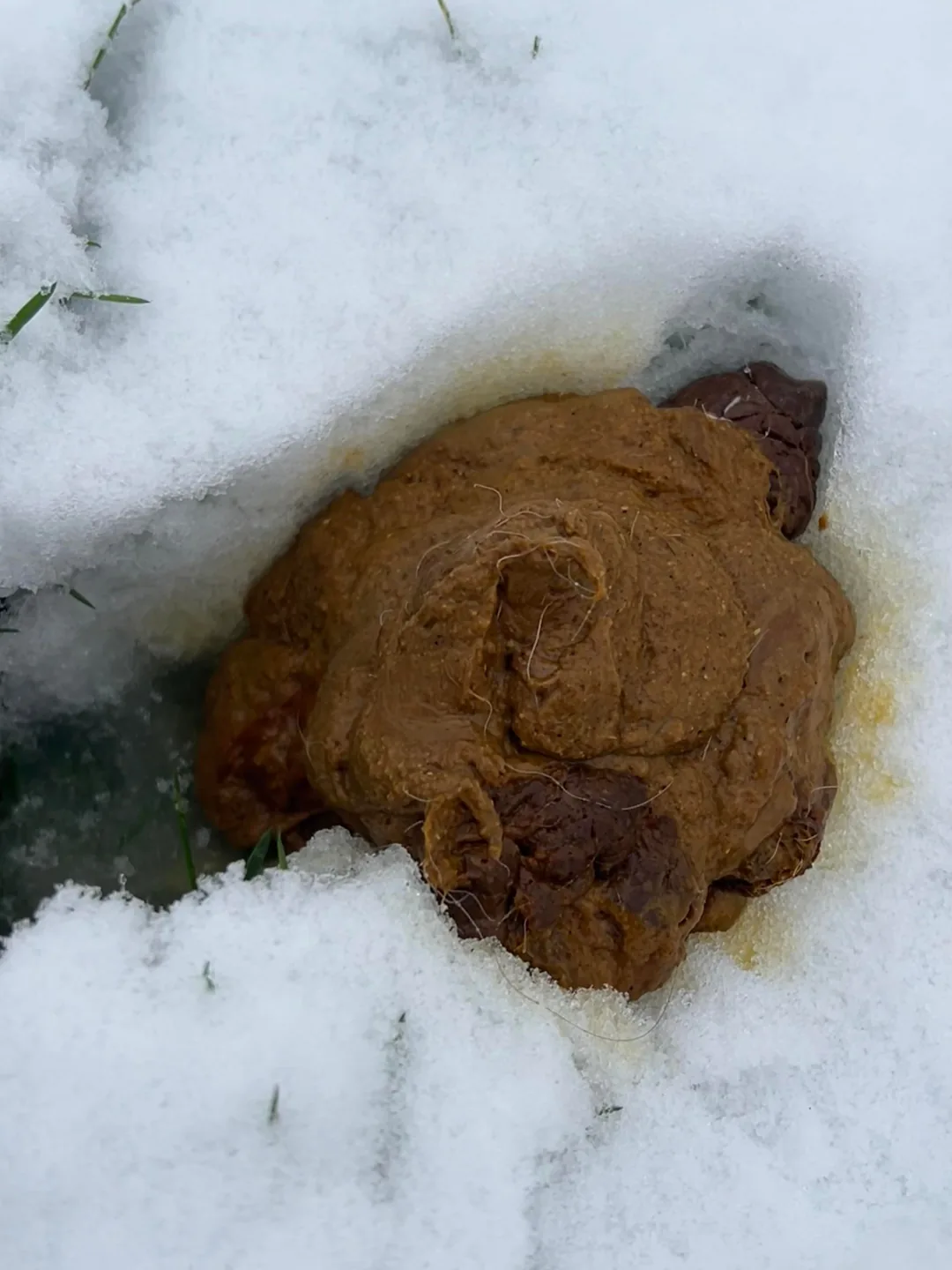
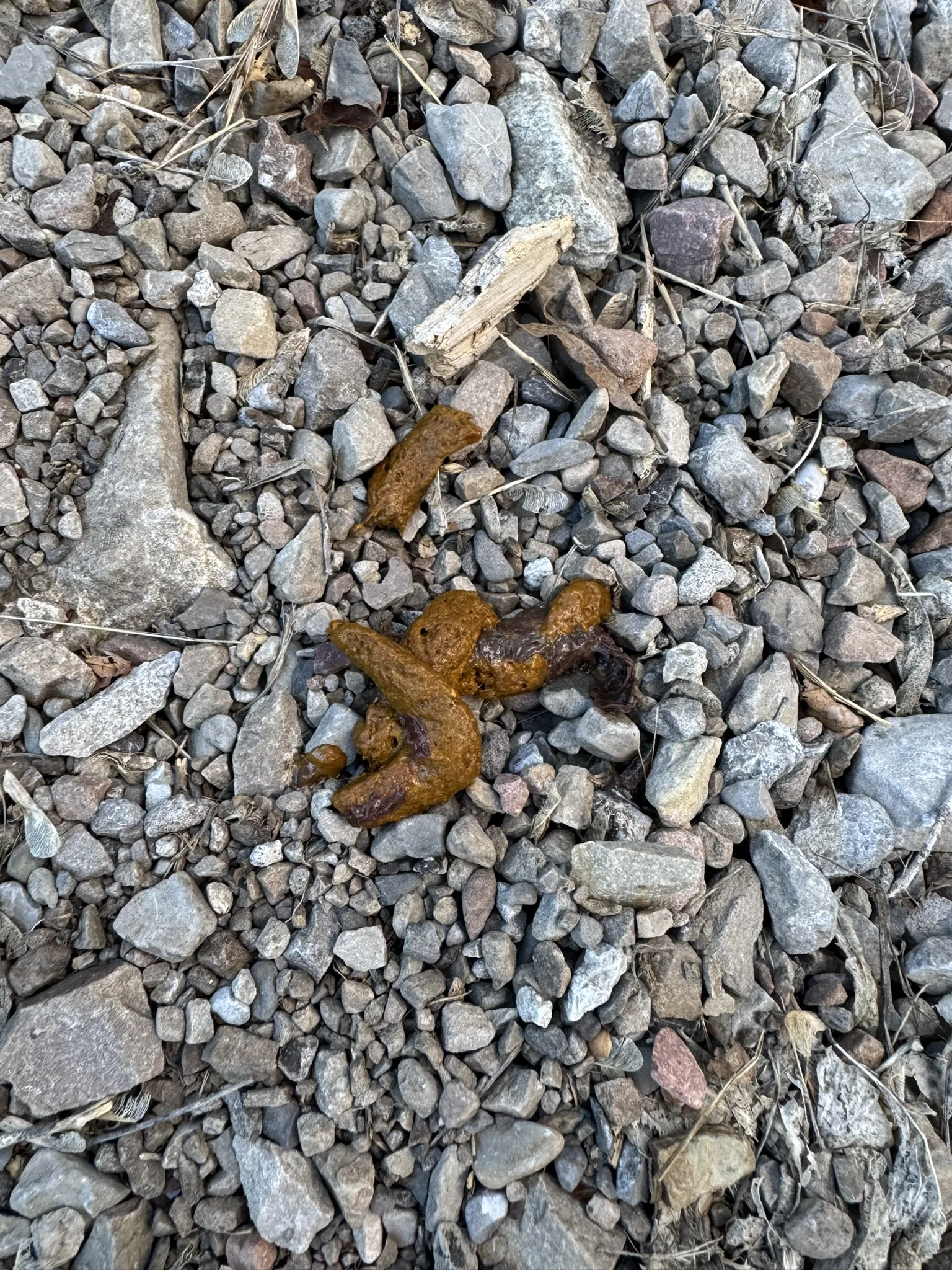
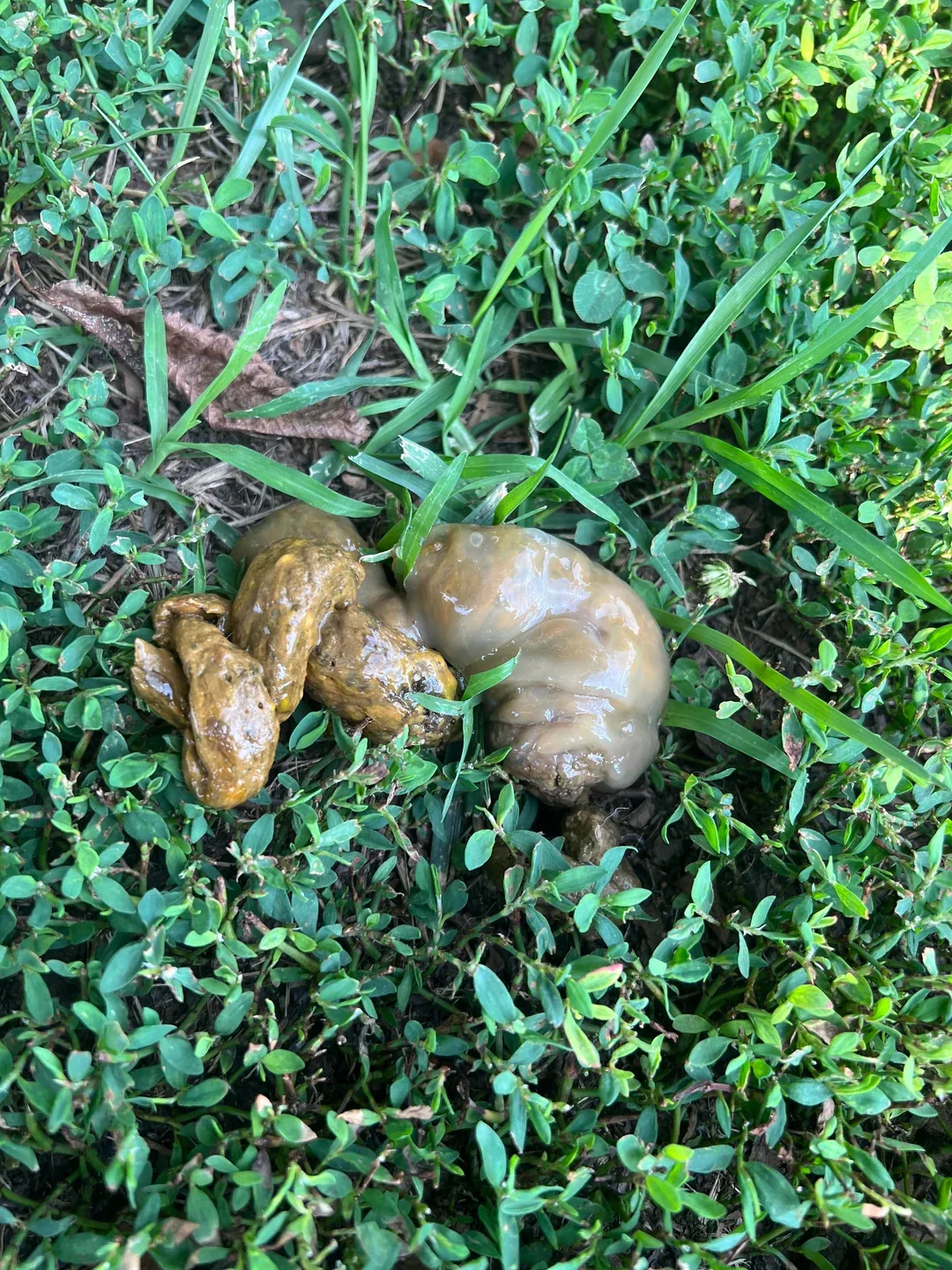
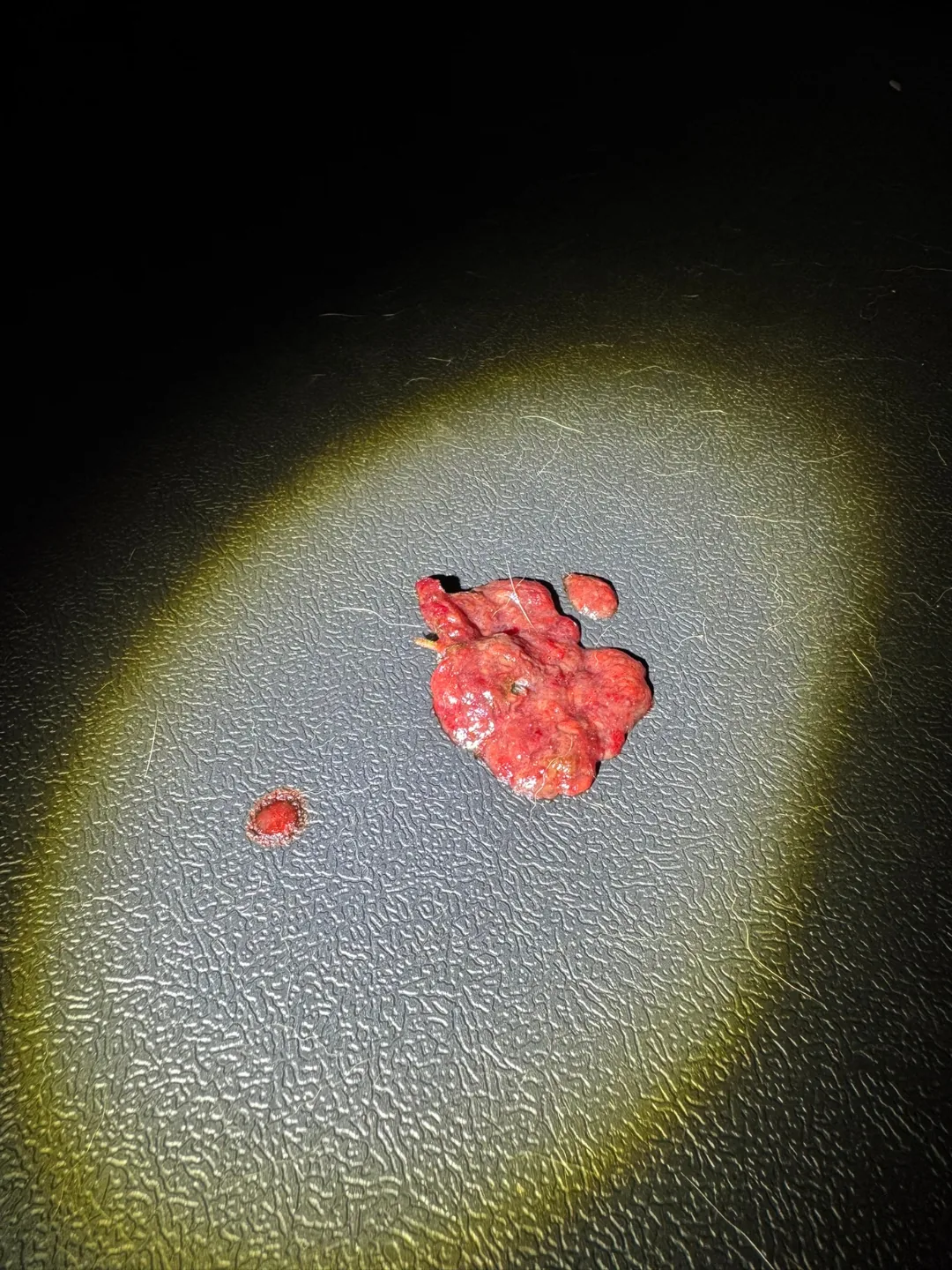
Before naming the warning signs, name the baseline. The American Animal Hospital Association uses a 1 to 7 fecal scoring scale where 1 is hard pellets and 7 is fully liquid. Ideal sits at about a 2 or 3:
Deviation from any of these, for more than a day or two, is information worth acting on.
The color of stool is one of the loudest, most visible signals. Six colors come up most often:
| Color | What it can indicate | Urgency |
|---|---|---|
| Chocolate brown | Healthy baseline | Normal |
| Yellow / orange | Liver or gallbladder issue, biliary problem, fast transit time | Call within 24h |
| Green | Bile, grass-eating, possible gallbladder issue | Monitor / call if >48h |
| Black / tar-like | Digested blood from upper GI tract (stomach or small intestine) | Call today |
| Red / bloody streaks | Fresh blood from lower GI tract, colon, or anal area | Call today |
| White / chalky | Too much calcium (raw bone diets), pancreatic insufficiency | Call within a week |
One off-color stool isn't a crisis. The same off color, twice in a row, is.
Stool consistency reflects how fast food moved through the gut and how much water was reabsorbed. The two ends of trouble:
Defined as liquid or near-liquid stool. One bout is often dietary indiscretion: a stolen snack, a new treat. More than 24 hours of diarrhea, or any diarrhea in a puppy or senior, warrants a call. Watery diarrhea risks rapid dehydration; bloody or mucus-streaked diarrhea is more urgent.
Hard, dry, pebble-like stool. Straining without producing. Less talked about, equally meaningful. Can signal dehydration, dietary fiber issues, prostate enlargement, or anal-gland trouble. Acceptable for a day. Beyond that, vet call.
Puppies under one year, dogs over ten, dogs with known chronic conditions, and any dog with a sudden behavior change alongside stool change. The window for early intervention is shorter.
Both red blood and black tarry stool are signals to act on the same day. The color tells you roughly where the bleeding is happening:
Don't wait this one out. Take a photo, bag a sample if you can, and call the clinic.
One blood-related appearance is distinctive enough that veterinarians have a nickname for it: strawberry jam stool (sometimes called raspberry jam stool). The color and texture genuinely resemble jam: bright raspberry-red, glossy, gelatinous, often almost entirely liquid. If you see it in your yard, this isn't a "call within 24 hours" situation. It's an emergency-clinic visit, today, immediately.
AHDS causes sudden, severe bloody diarrhea and rapid fluid loss. Without IV fluids, affected dogs can become dangerously dehydrated within 24 hours, especially small breeds and middle-aged dogs, which are the most commonly affected. Treatable with prompt hospitalization; survival drops sharply with delay.
If your regular vet is closed, go straight to a 24-hour emergency veterinary clinic. See the Utah list →AHDS is most commonly linked to a sudden overgrowth of Clostridium perfringens in the gut, which damages the intestinal lining and lets fluid and blood leak into the bowel. Triggers can include a sudden diet change, scavenging, stress, or sometimes no identifiable cause at all. It is not contagious between pets the way parvovirus is. But because parvo can look very similar in its early hours, the clinic will often test for both.
The good news: when AHDS is caught early and treated aggressively with IV fluids, most dogs recover within 24 to 48 hours and go home the next day. The thing that determines outcome is almost always how quickly the dog gets fluids, not the severity of the bleeding itself.
"Bright red blood" in the lower-GI category usually means a streak or coating on otherwise-formed stool. Irritating, but rarely an emergency on its own. Strawberry jam stool is a different beast: it's not a streak, it's the entire stool, and the dog is usually visibly sick. Different pattern, different urgency.
Mucus is the colon's natural lining. A small amount is normal and even healthy. What's not normal: large amounts of clear or yellowish jelly-like coating, or mucus that persists across multiple stools.
Common causes:
One mucusy stool? Note it. Three in a row? Call.
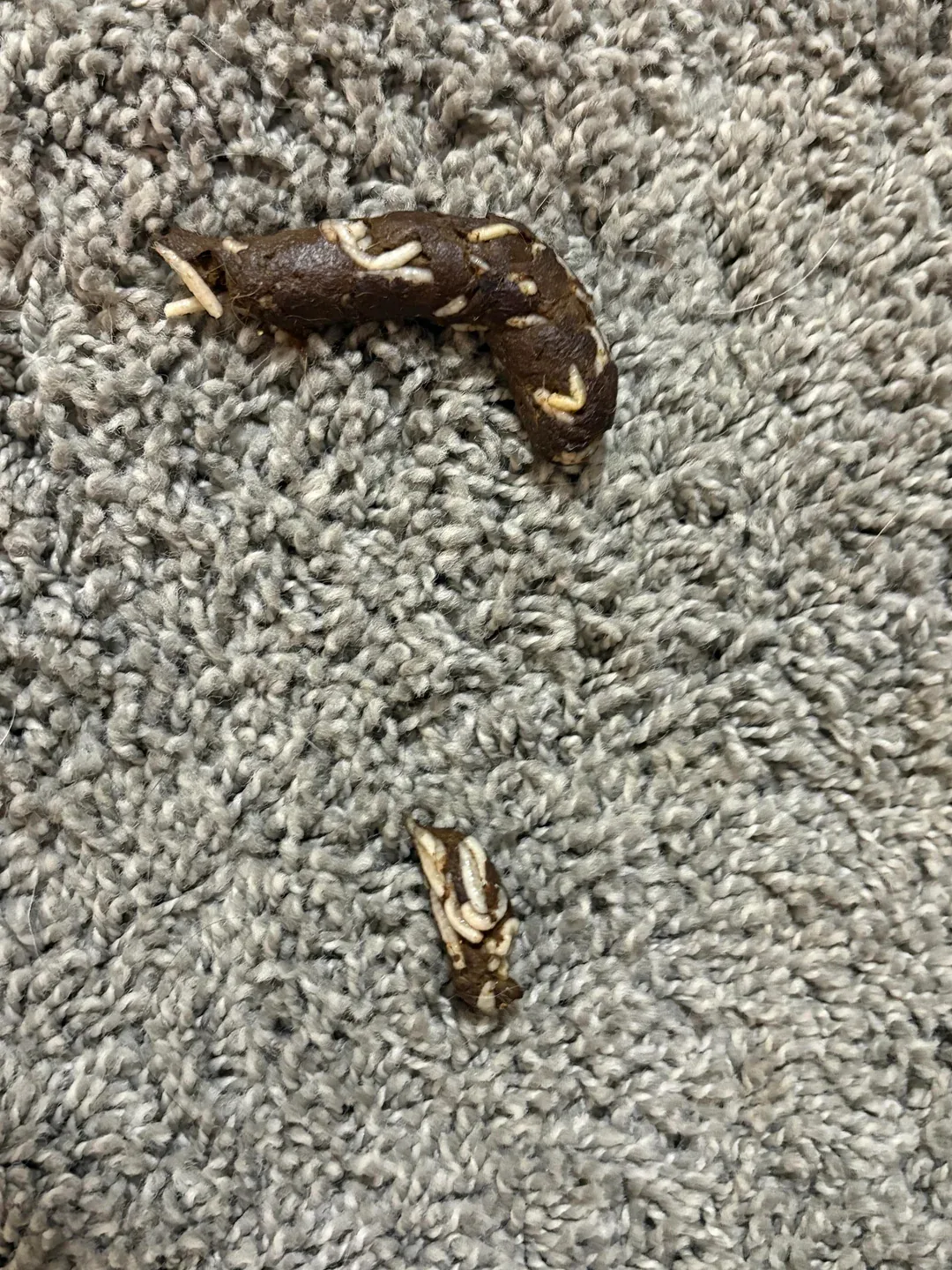
Sometimes the issue is what's in the stool. The things we look for, in order of urgency:
Roundworms look like cooked spaghetti. Tapeworm segments look like small grains of rice, sometimes still wriggling. Either is a same-week vet call for deworming. Highly treatable, but contagious to other pets and (with some species) to humans.
Occasional bits of corn or carrot are normal. Large pieces of kibble passing through whole means food isn't being absorbed properly. Points to fast transit time or pancreatic insufficiency.
That's tapeworm. The white flecks are the segments; they sometimes move briefly after passing. Schedule a vet appointment promptly.
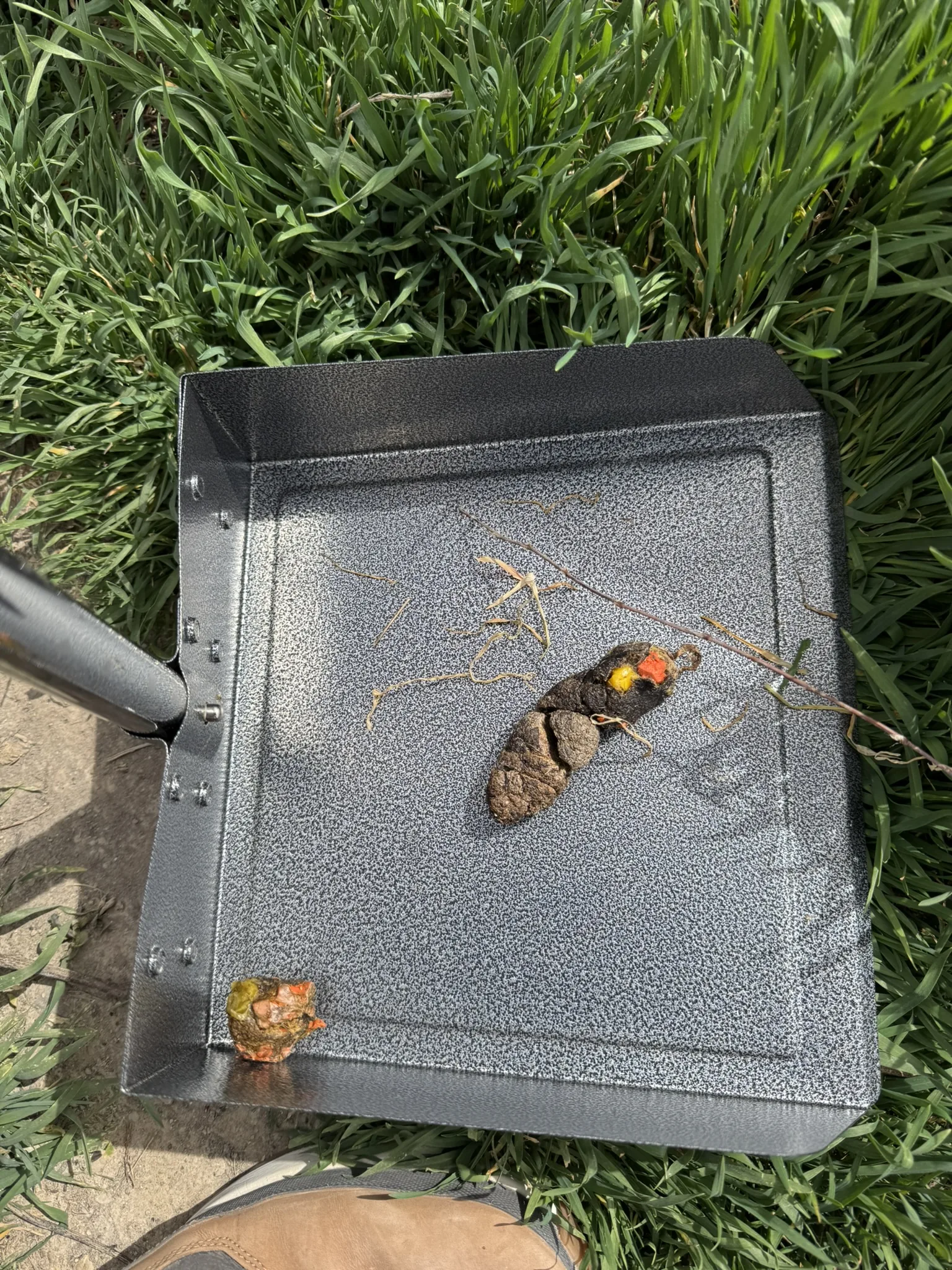
This one earns its own category because the stakes are different. When something appears in your dog's stool that didn't come from a meal, it tells you two things at once: your dog ate something they shouldn't have, and more of it may still be inside them. Foreign-body obstructions are one of the most common emergency surgeries in veterinary medicine, and one of the most preventable.
Repeated vomiting, refusal to eat, hunched posture, lethargy, abdominal pain, straining without producing stool, or no stool at all for more than 24 hours. Any combination of these after suspected ingestion is a same-hour emergency. Don't wait for it to "pass."
"We've caught GI bleeds, parasites, and one early-stage tumor, all from things we noticed in the yard. Not because we're clinicians. Because we look."
A Scoopie technician's first principleEvery Scoopie visit includes our Pet Health Partner System, a trained visual inspection of stool consistency, color, and contents. If something looks off, you get a same-day note. We serve Utah County and Salt Lake County, including pooper scooper service in American Fork.
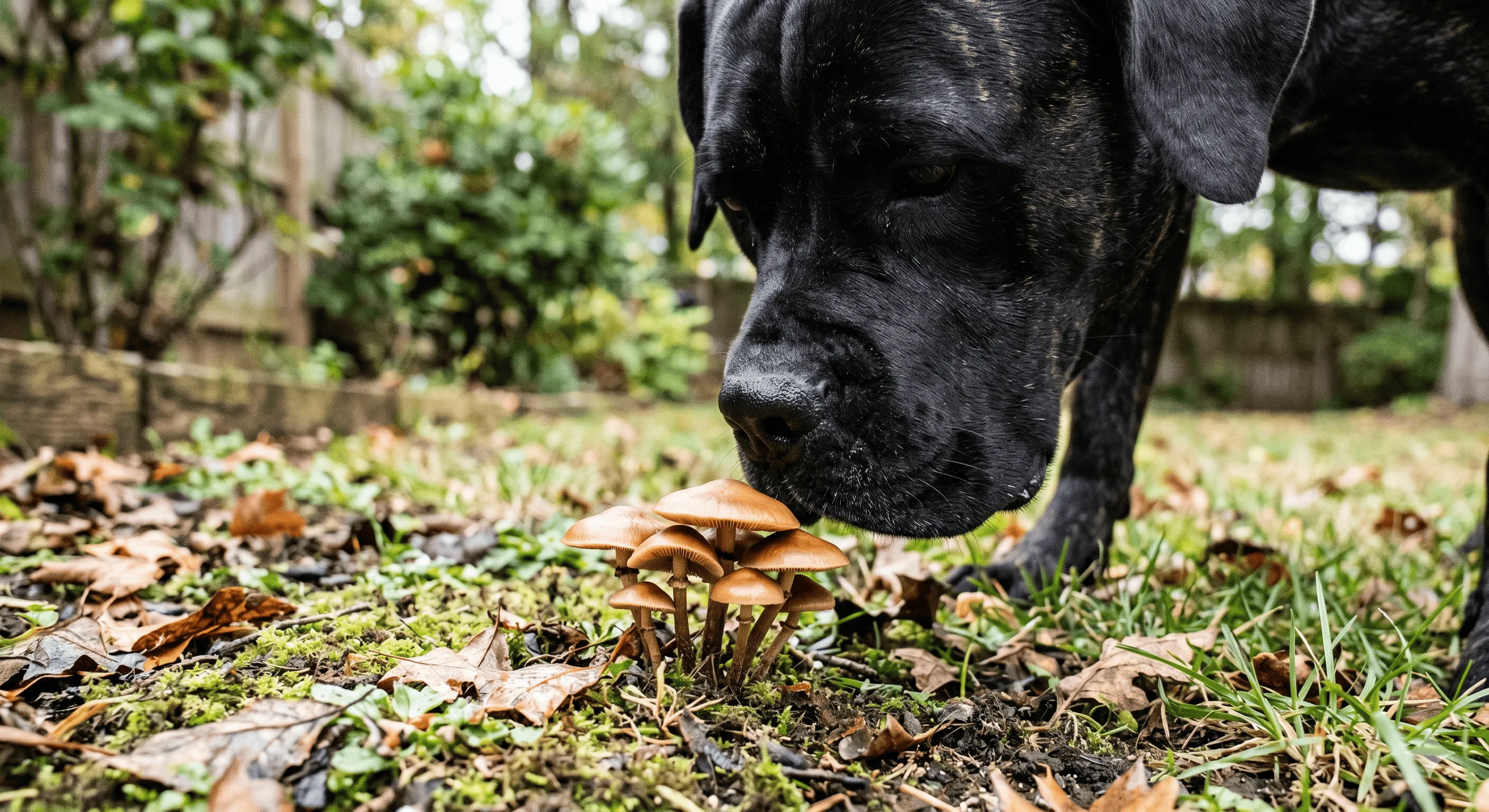 Pet safety
What to recognize in the yard before your dog gets to it first.
 Yard wellness
A vet-informed guide to how long dog waste stays infectious.
Hospital-grade sanitation: what it is and why we use it.
Weekly visits. Hospital-grade sanitation. Trained eyes on every pile, every yard, every visit. Backed by the Double Guarantee.